Age Gating on Social Media: A Double-Edged Sword for Youth Activism and Privacy
A recent settlement involving **Meta** and 52 U.S. states and territories mandates new age-gating and content restrictions on platforms like **Instagram** and **Facebook**. While ostensibly aimed at protecting young users, cybersecurity and privacy advocates warn that these measures could severely hinder youth organizing, stifle free expression, and introduce significant privacy risks through increased data collection.
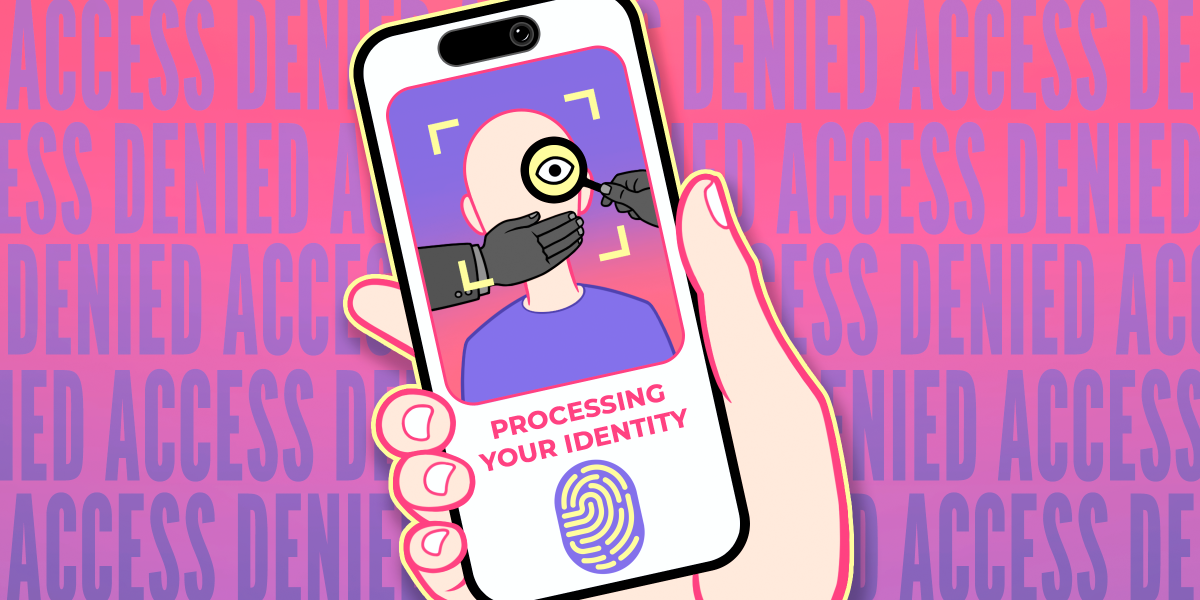
Since its inception, social media has been a powerful engine for youth organizing and social mobilization. However, access to these critical platforms is increasingly threatened by legislative and judicial actions, ostensibly to protect young people online.
### Meta's Landmark Settlement and Its Implications
In a significant development, **Meta** recently settled a lawsuit with 52 U.S. states and territories concerning the use of **Instagram** and **Facebook** by young people. This settlement mandates the implementation of age-gating practices across **Meta's** products and imposes restrictions on under-18 accounts, including a two-hour daily time limit and content filtering. This move is expected to pressure other platforms like **TikTok** and **YouTube** to adopt similar measures.
### Youth Power on Social Media: A Decade of Digital Activism
For over a decade, young people have leveraged social media for political advocacy and community organizing. From protesting police brutality to demanding action on gun violence and climate change, platforms have become indispensable tools for youth to connect and amplify their voices.
**Instagram**, in particular, has proven effective for rapid information dissemination, crucial for real-time activism. A prime example is 17-year-old **Darnella Frazier's** video on **Facebook**, which brought the murder of **George Floyd** to global attention.
Beyond **Meta's** ecosystem, platforms like **TikTok** and **YouTube** have also become vital spaces for young people to share stories, build movements, and foster collective engagement.
However, operating under the new settlement's guidelines, young people face the risk of being blocked from crucial news and information deemed "age-inappropriate." This has already been observed in Australia, where social media bans have prevented teenagers from accessing news content.
The imposed two-hour daily time limit and a block on **Meta's** apps between midnight and 6 am severely restrict the ability of young activists to organize rapid response efforts. The removal of visible likes on posts could also hamper their ability to gauge campaign effectiveness.
Furthermore, **Meta's** content policies, which claim to "protect children" and maintain "family-friendly" sites, have historically labeled **LGBTQ+** content as "adult" or "harmful." With a default 'age-appropriate' content filter, young users may lose control over the content they can access. Recent reports indicate that **Meta** has hidden posts referencing **LGBTQ+** hashtags like #lesbian, #bisexual, #gay, #trans, and #queer for users with the sensitive content filter enabled, directly impacting activism related to comprehensive sex education.
### Global Trends: A Mixed Approach to Age Verification
While similar measures are debated globally, not all jurisdictions have adopted such a restrictive stance. In August, the French Constitutional Council notably struck down legislation banning under-15s from social media. The court deemed it an infringement on free expression and communication for all online users, not just young people.
The French court also highlighted the privacy implications, noting that the legislation would have forced individuals of all ages to submit government IDs, face scans, and other sensitive information for age verification. This extensive data collection poses significant risks for activists, increasing their vulnerability to surveillance.
**Meta** has a documented history of complying with law enforcement demands for user messages, as seen in a case involving an alleged illegal abortion. The potential for police to demand logged personal information via warrants to stifle or investigate activist actions could create a chilling effect, forcing advocates to suspend or abandon their work.
Moreover, these age verification systems often misidentify or lock out marginalized communities, including people of color, individuals with disabilities, and trans or gender-nonconforming individuals whose IDs may not align with their chosen names or the system's expectations. These are precisely the communities that often benefit most from online organizing, as social media can be their primary avenue for community building and activism.
### What Young People Deserve
While the settlement generates headlines, it fails to address the core issue: **Meta's** surveillance capitalism business model, which prioritizes profit over user speech and privacy. Instead, this agreement provides **Meta** with an opportunity to shape a new digital landscape that serves its interests rather than those of young people.
As previously highlighted in various contexts, such measures risk digital isolation for young people, curtailing their vital access to news and essential health and development resources. Crucially, these policies disregard the voices of young people themselves, who overwhelmingly advocate for digital literacy and education over restrictive bans.