Apple's AI Gets 'Agentic': Passwords to Fix Themselves with iOS 27
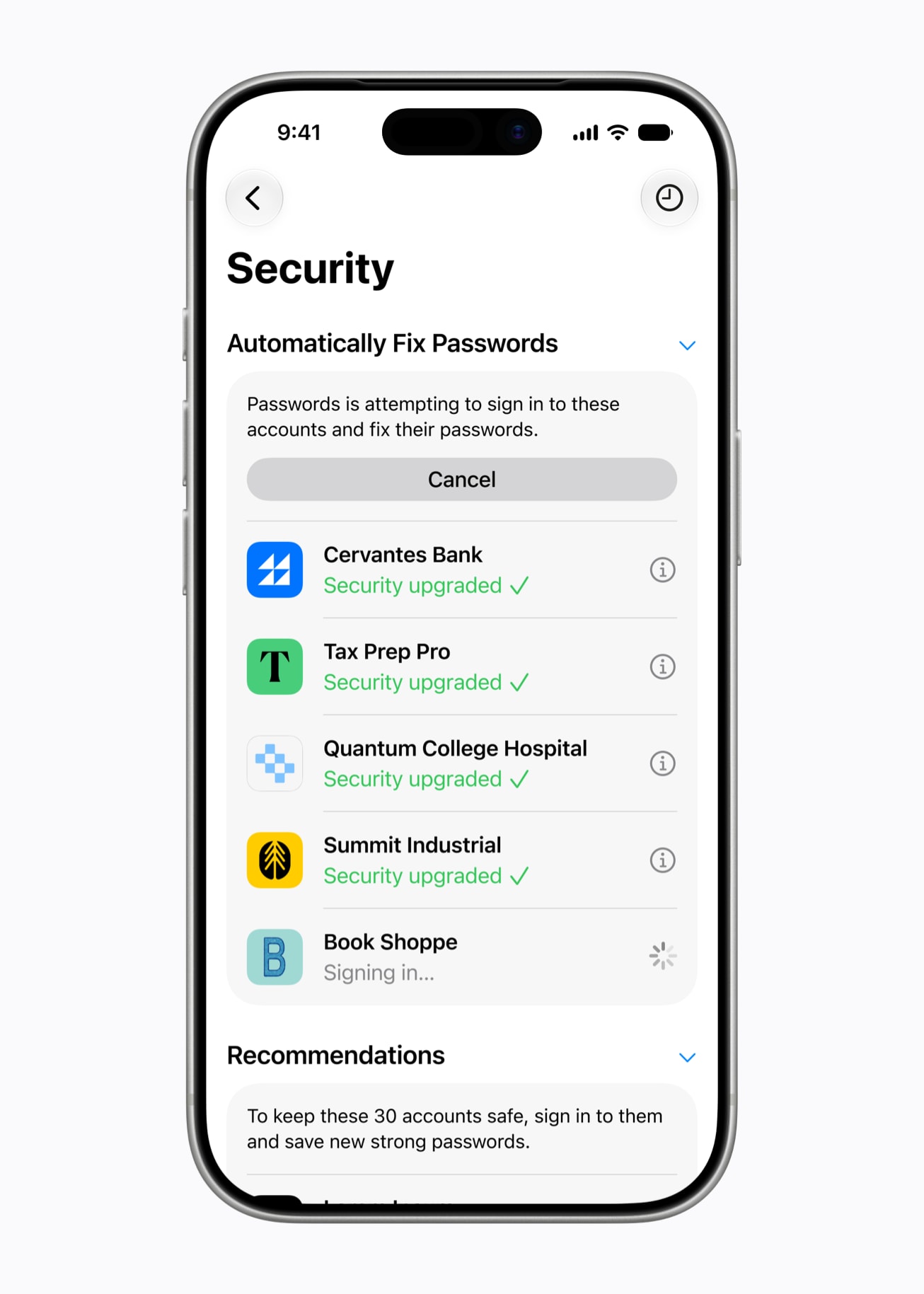
**Apple** has unveiled a groundbreaking **Apple Intelligence** feature at **WWDC 2026**, designed to automatically remediate weak and compromised passwords. Launching with **iOS 27**, this "agentic" AI capability will empower **Safari** and the built-in **Apple Passwords app** to proactively update credentials, marking a significant leap in user security. The tech giant assures users of robust privacy protections through on-device processing and **Private Cloud Compute**.

At **WWDC 2026**, **Apple** introduced a pivotal new security feature powered by **Apple Intelligence**: the automatic remediation of weak and compromised passwords. This advancement signals a proactive shift in how users manage their digital defenses.
Currently, **Safari** and the integrated **Apple Passwords app** can identify and flag weak, duplicate, or compromised passwords. Users receive warnings and assistance in creating stronger credentials during account setup. However, the system has historically required manual intervention for existing passwords.
This changes with the upcoming release of **iOS 27**. **Apple** states that its built-in password management tools will now leverage AI to "agentically" take action based on user behavior, automatically updating eligible accounts to strong, unique passwords. This hands-off approach aims to significantly bolster user security without requiring constant vigilance.
## Prioritizing Privacy with Apple Intelligence
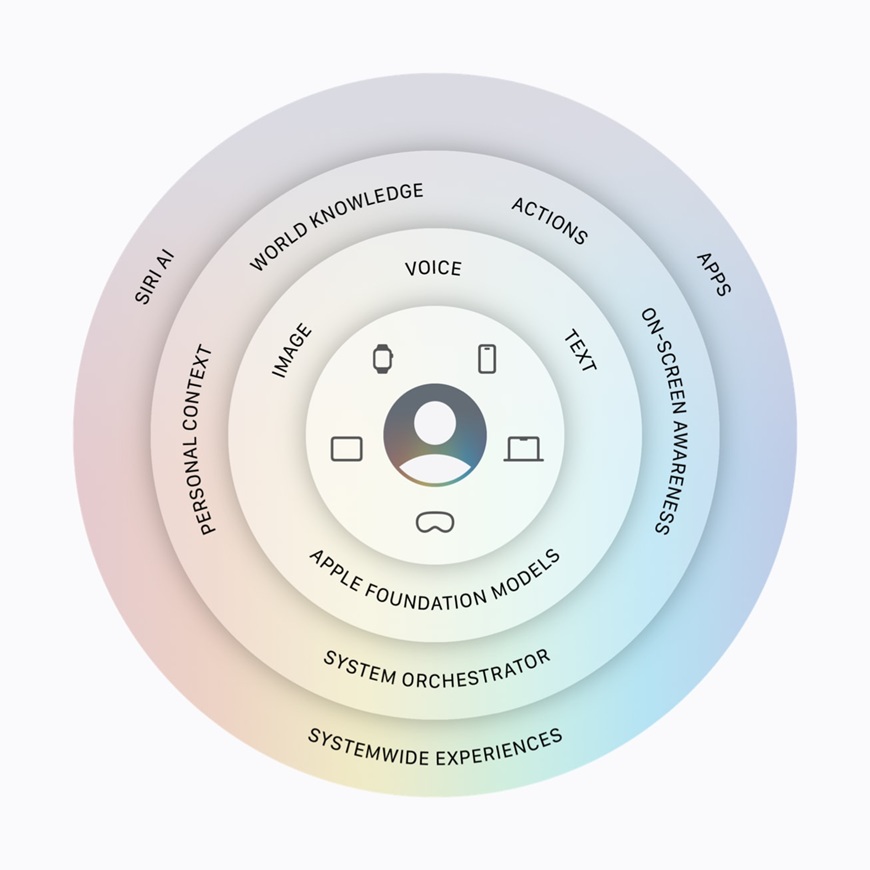
**Apple** emphasizes that the security and privacy of these new features are paramount. The capabilities are underpinned by the next generation of **Apple Foundation Models**, custom-built through a collaboration with **Google**, utilizing and fine-tuning **Gemini** models for deep integration into the **Apple Intelligence** experience.
"These latest models run on device and on servers using **Private Cloud Compute**," **Apple** stated in a recent blog post. The company highlights that the entire **Apple Intelligence** architecture is designed with privacy as a core principle, from the foundation models to the operating system integration.
While most features execute locally on newer iPhones, certain functions requiring more computational power utilize **Private Cloud Compute**. **Apple** assures users that when **Private Cloud Compute** processes requests, personal data is neither stored nor made accessible to **Apple** or any third party, reinforcing its commitment to user privacy.
The **Apple Intelligence** improvements, including the agentic password manager, are slated for release with **iOS 27** later this year. For developers eager to get a head start, beta builds are currently available through the Developer Program.