California's AB 1709: A 'Massive Privacy and Free Speech Nightmare' for Youth Social Media Use
The California legislature has passed **Assembly Bill 1709 (A.B. 1709)**, a controversial measure aimed at restricting social media access for individuals under 16. Critics argue the bill, while well-intentioned, poses significant threats to privacy, free speech, and the ability of young people to access vital online communities, prompting calls for Governor Gavin Newsom to issue a veto.
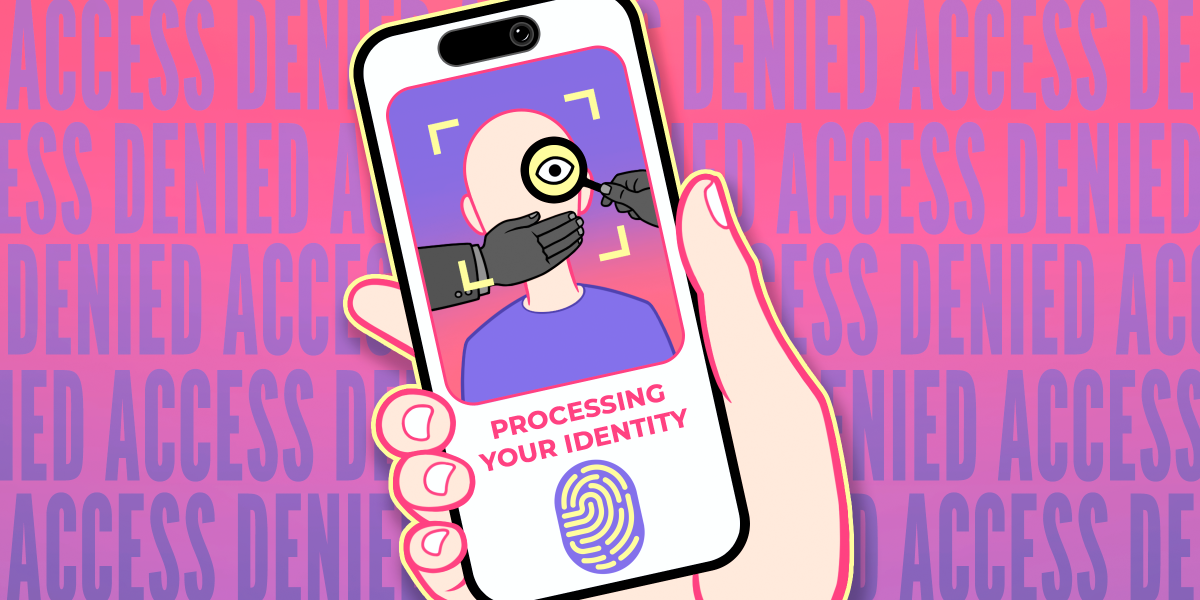
The California legislature recently approved **Assembly Bill 1709 (A.B. 1709)**, a sweeping ban on social media use for individuals under 16. This legislation, intended to protect young people, is drawing sharp criticism for its potential to restrict access to essential information and online experiences, particularly for vulnerable youth and marginalized groups.
### The Scope of the Ban
Should **A.B. 1709** take effect in January, social media platforms would be prohibited from offering virtually all functional recommendation algorithms and basic interactive features to users under 16. This includes mechanisms for identifying who a user follows or what posts they like – tools fundamental to how online services curate content and enable users to find communities and audiences for their own speech.
Critics argue that labeling these basic functionalities as "addictive features" relies on **unsettled science** regarding youth social media use. The practical outcome would be to effectively lock young people under 16 out of major digital services as they currently exist, given that most rely on automated feeds.
### Privacy and Free Speech Concerns
**A.B. 1709** is being denounced as a "massive privacy and free speech nightmare." Opponents contend that denying young people access to digital forums, or stripping away essential navigation tools, will not make them safer or healthier. Research suggests that social media bans are often **ineffectual** and can be harmful by preventing young people from developing their voices and perspectives through online engagement, whether for artistic expression, religious practice, or political discourse.
Beyond content access, the bill raises significant privacy alarms. To enforce age restrictions, platforms would be pushed to implement invasive age-verification methods, potentially requiring government IDs or biometric scanning. This creates a scenario where **Big Tech** companies would collect even more sensitive personal data, leading to **massive honeypots** of information. Such practices severely damage online anonymity and expose users of all ages to **heightened data breach risks**, as demonstrated by past incidents involving age-verification companies.
### Legal Conflicts and Future Challenges
Furthermore, **A.B. 1709** introduces legal confusion by creating provisions that conflict with existing California legislation, such as **A.B. 1043** and **S.B. 976**. Rather than providing regulatory clarity, this new bill is expected to tie up valuable state resources in court, defending a law likely to face significant legal challenges.
For a more detailed analysis, a full letter to Governor **Gavin Newsom** urging a veto is available from concerned organizations.