California's AB 1709: A Flawed Attempt to Protect Minors Online, Critics Warn
California Governor **Gavin Newsom** has signed **AB 1709** into law, effectively banning social media use for individuals under 16. However, cybersecurity and privacy advocates, including the **Electronic Frontier Foundation (EFF)**, argue that the legislation is counterproductive, undermining free expression and privacy while failing to genuinely safeguard young people.
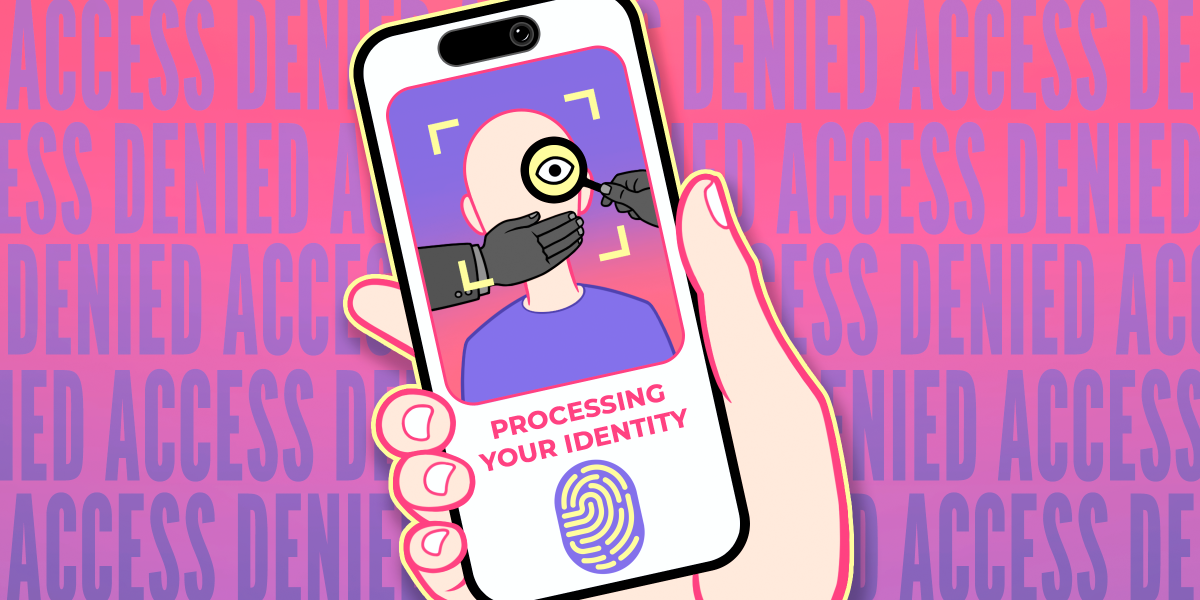
SAN FRANCISCO – A new California law aiming to protect minors online is drawing sharp criticism from privacy and free expression advocates. **AB 1709**, signed into law by Governor **Gavin Newsom**, imposes a functional ban on social media for those under 16, a measure that opponents contend will do more harm than good.
### Digital Lifelines Under Threat
The **Electronic Frontier Foundation (EFF)** and its allies argue that technology and its regulation should empower young people, not isolate them. In today's interconnected world, digital platforms are crucial for learning, community building, and self-expression. **AB 1709** risks cutting off young individuals, particularly those facing unique challenges, from vital online communities that offer safety and support often unavailable in the physical world.
**Rindala Alajaji**, **EFF** Associate Director of State Affairs, stated, "California should be passing laws to ensure that technology really works for people of all ages, not enacting social media bans that cut young people off from digital lifelines, communities, and speech." Alajaji emphasized that denying minors access to digital forums or stripping essential navigation tools will not enhance their safety or health in the AI age.
### Ineffectual Bans and Privacy Concerns
Research suggests that social media bans are often ineffectual. Furthermore, they deny young people critical opportunities to develop their voices, share their art, practice religion, or engage in political discourse.
A significant concern raised by critics is the impact of age-gating requirements on personal data. To verify users' ages, companies will be compelled to collect even more personal information, further concentrating power in corporate hands rather than protecting individuals' privacy. "These kid-focused bans are a gift to Big Tech giants, allowing them to continue operating their harmful business model while incentivizing them to collect even more data," said **Evan Greer**, Director of **Fight for the Future**.
### Free Expression and Unintended Consequences
Beyond privacy, **AB 1709** is viewed as inconsistent with rights to free expression. Critics predict the law will face legal challenges, diverting state resources to defend a measure tied up in court.
Instead of bans, advocates call for robust privacy laws that specifically target surveillance business models, ensuring technology works for everyone in the AI age. **Jordan Wilson**, Executive Director of **COLAGE**, highlighted the particular impact on LGBTQ+ youth and families. "In a world of increasing stigma and marginalization for LGBTQ+ families, AB 1709 continues that trend by stripping people with LGBTQ+ parents of the ability to meet and build community with one another on the internet."
Wilson added, "Beyond obstructing the right of youth with LGBTQ+ parents to access information, this bill places an undue burden on all Californians by forcing age verification at a time when digital privacy rights are being eroded globally. We cannot ‘protect children’ by stripping them of their primary avenue for connection."
Advocates urge California to model gold-standard laws that ensure safe and healthy technology use for all, rather than implementing access restrictions that could ultimately cause more harm than good.