Canadian 'Lawful Access Act' Raises U.S. National Security Concerns Over Surveillance of Americans
Proposed Canadian legislation, the **Lawful Access Act**, is drawing sharp criticism from U.S. Senator **Ron Wyden**, who warns it could enable Canadian authorities to surveil American citizens and undermine the security of U.S. tech products. The bill, which has passed Canada's House of Commons, mandates data retention and could force U.S. companies to build backdoors, creating a significant privacy and national security dilemma.
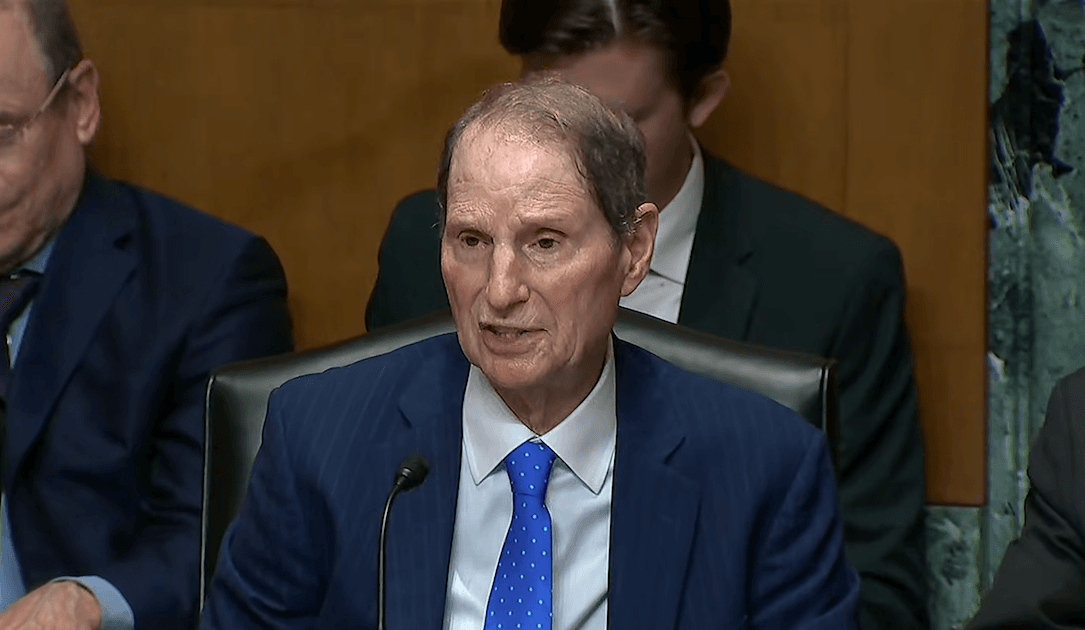
A controversial piece of Canadian legislation, the **Lawful Access Act**, is raising alarms in the U.S. over its potential implications for national security and the privacy of American citizens. Senator **Ron Wyden** (D-OR) has voiced strong opposition, asserting that the bill threatens to weaponize American technology infrastructure by compelling U.S. companies to facilitate secret surveillance.
In a letter addressed to acting Attorney General **Todd Blanche** and acting National Security Adviser **Marco Rubio**, Senator Wyden stated, "The Lawful Access Act threatens to weaponize American technology infrastructure by enabling the Canadian government to force U.S. companies to secretly facilitate surveillance of Americans, while systematically undermining the security of their products."
### Mandated Data Retention and Backdoors
The Canadian bill includes several provisions that concern U.S. officials. It would require electronic service providers to store user metadata, such as location history, for up to a year. Crucially, it would also grant the Canadian government the power to compel providers to create backdoors or implement tracking capabilities within their systems.
Furthermore, the legislation mandates that these providers modify their systems to easily share information with law enforcement when presented with a warrant. The bill has successfully passed Canada’s House of Commons and now awaits approval from the Senate.
### Precedent and Privacy Risks
Senator Wyden is urging American officials to thoroughly assess the legislation to understand how it might pressure companies like **Apple** and **Google** into handing over sensitive user data. This situation echoes past controversies, such as the reported attempt by the U.K. government in February 2025 to compel **Apple** to weaken the security of **iCloud** backups for surveillance purposes. That disclosure led to public outcry and the subsequent abandonment of the plan by British authorities.
Former Director of National Intelligence **Tulsi Gabbard** previously warned Congress that foreign mandates forcing U.S. companies to create backdoors not only infringe on citizens' privacy but also introduce severe cybersecurity risks.
### A 'Statutory Vacuum'
Senator Wyden's letter highlights a critical gap in U.S. law, noting that it does not "explicitly prohibit American companies from secretly facilitating foreign surveillance of U.S. citizens — even if the target is the president or another senior U.S. government official." He described this as "a glaring statutory vacuum" rather than a conflict of international legal obligations.
To address this, Wyden recommends that U.S. officials leverage ongoing negotiations for the **U.S.-Canada CLOUD Act** agreement. This, he suggests, could establish "ironclad, explicit prohibitions against these extraterritorial technical and prospective engineering mandates."
Adding to the concerns, **The Citizen Lab**, a Toronto-based digital freedom research institute, has indicated that certain aspects of the proposed Lawful Access Act may be unconstitutional under Canadian law.