Cybersecurity on the Open Road: Securing the Trucking Industry from Evolving Threats
The trucking industry, a critical component of North American infrastructure, faces increasing cybersecurity threats ranging from ransomware to cyber-enabled cargo theft. Experts at the **National Motor Freight Traffic Association (NMFTA)** are working to bolster the industry's defenses through research, education, and collaboration.
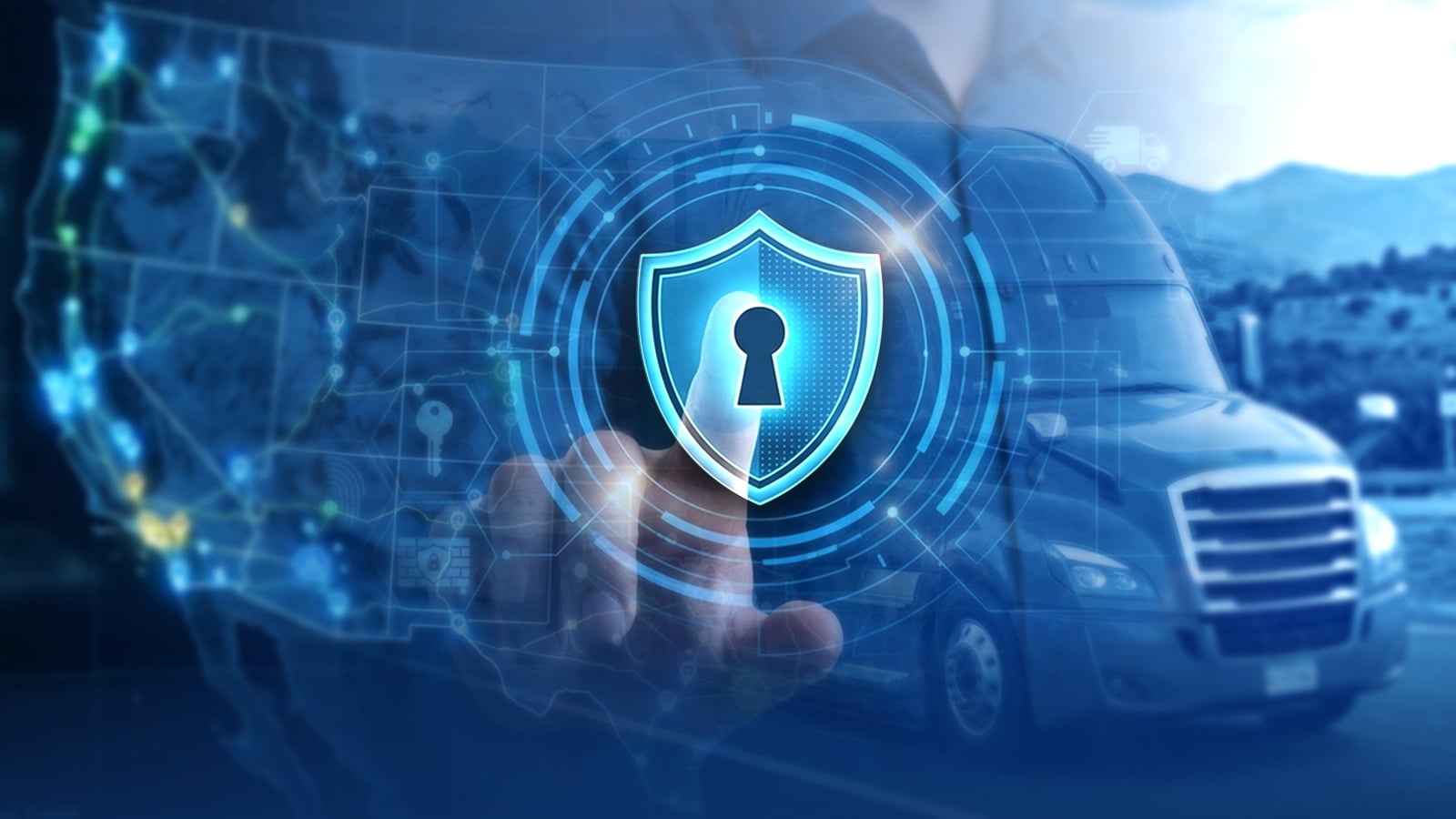

When most people see an 80,000-pound vehicle rolling down the highway, cybersecurity isn't the first thing that comes to mind. However, these trucks are essentially rolling networks, packed with communication systems, onboard sensors, cloud-connected devices, and Wi-Fi signals, creating numerous potential attack surfaces.
Trucking is the backbone of critical infrastructure, delivering fuel, medicine, food, and other essential supplies. Cybercriminals are well aware of this dependency and leverage it with ransomware and extortion attacks, putting immense pressure on trucking and logistics companies to maintain constant uptime.
## Atypical Threat Vectors
The threats extend beyond traditional cyberattacks. "Cyber-enabled cargo criminals" are using cyber techniques to steal physical cargo. According to a recent study from **Verisk CargoNet**, cargo theft losses reached over $725 million in 2025 alone.
These thieves exploit weaknesses in operational, physical, and cybersecurity to impersonate legitimate brokers and carriers. They steal credentials to freight booking sites (load boards) and deceive shippers into releasing freight to bad actors posing as truck drivers.
For example, criminals stole over $1 million worth of **Guy Fieri’s** special edition tequila by building trust with a freight broker through legitimate hauls. Once trust was established, they targeted the high-value shipment, spoofing GPS signals to divert the cargo to their own facilities.
Many legitimate drivers are unknowingly hauling cargo to warehouses operated by criminals using stolen digital identities. The freight is then broken down and resold through various channels, including black markets and even seemingly legitimate online storefronts.
## The Good News Story
Fortunately, traditional cybersecurity practices can significantly reduce the risks faced by trucking organizations. Frameworks and standards like **NIST RMF**, **ISO 27001**, and **CIS Controls** are directly applicable. Multi-Factor Authentication (MFA), network segmentation, social engineering awareness training, and strict patching schedules are crucial controls.
The challenge lies in the fact that most trucking and logistics companies are small businesses or single-owner operators, making it difficult to adopt these standards. To address this, trucking-specific adaptations of these controls have been developed and made freely available to the industry.
The **NMFTA** supports this effort through research, development, education, and collaboration within the industry's security community. Their work includes security research into physical assets (trucks and trailers), telematics systems, and electronic logging devices (ELDs).
The **NMFTA** also provides cybersecurity education, resources, and technical guides to mitigate the risk of cyber-enabled cargo crime. They host an annual conference that brings together security practitioners, decision-makers, and vendors to discuss lessons learned and emerging technologies.
The cyber threats facing the transportation sector are complex and ever-evolving. By combining collaboration, research, and hard work, the industry is striving to stay ahead of cybercriminals.
**Join security practitioners, motor carriers, and technology leaders at [this year’s NMFTA conference](http://bit.ly/48uBMa8) to collaborate, share insights, and stay ahead of the evolving cyberthreats facing the transportation sector.**
*Sponsored and written by [NMFTA](https://bit.ly/48uBMa8).*