DOJ Disrupts Madagascar-Based NFT Scam, Exposing International Complications
The U.S. Justice Department has announced the disruption of a sophisticated, Madagascar-based scam operation that allegedly defrauded Americans of over half a million dollars through fictitious NFT investment schemes. The operation, led by Malaysian national **Chui Kok Wa**, highlights the evolving tactics of cybercriminals and the complex geopolitical challenges in international law enforcement actions against these groups.
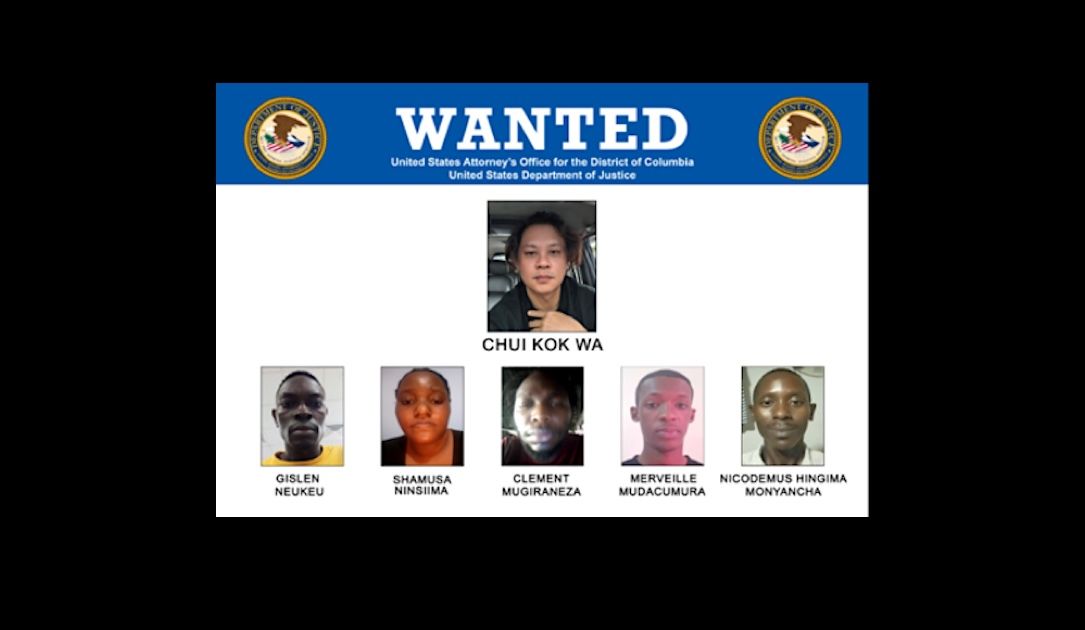
The **Justice Department** recently revealed indictments against **Chui Kok Wa** and five co-conspirators, detailing a scheme that siphoned more than $516,695 from 74 cryptocurrency wallets across multiple U.S. states. The operation, which previously moved from Cambodia to Madagascar following earlier law enforcement actions, represents a significant challenge in the global fight against cybercrime.
### The Anatomy of the Scam
**Chui Kok Wa** is accused of coordinating and funding the illicit operation, working with accomplices primarily based in China. The scam specifically targeted victims through dating sites, where perpetrators posed as attractive individuals to build trust. Once a rapport was established, victims were persuaded to invest in fraudulent non-fungible tokens (NFTs) on fake websites. The scammers then guided victims to connect their cryptocurrency wallets to these deceptive platforms, progressively siphoning funds while pressuring victims to add more capital.
### International Investigation and Obstacles
An **FBI** unit deployed to Madagascar in August, gaining access to over 3,000 devices. This critical intelligence provided detailed insights into the scam's inner workings, establishing concrete links between U.S. victim reports and the Antananarivo-based scam compounds. Despite this breakthrough, the investigation faced significant hurdles.
During joint operations with the **Madagascar National Police (MNP)**, U.S. officers visited 13 scam compounds. However, attempts to interview suspects were often "stymied" as Madagascar repatriated numerous suspects to China before the U.S. investigation could conclude. The Justice Department has publicly called upon the Madagascar government for greater cooperation, including the extradition of the six charged defendants.
### Human Trafficking Allegations and Operational Shifts
The investigation also uncovered potential human trafficking elements. While some individuals held in Madagascar jails claim to be trafficking victims, data from scam center devices suggests many were paid employees with contracts, complicating efforts to distinguish victims from willing participants.
Notably, the indictment warns that scam centers are increasingly relocating to African countries, a direct response to heightened law enforcement focus on Southeast Asia. This geographical shift underscores the adaptive nature of these criminal enterprises.
### Collaboration and Future Actions
The **DOJ's Scam Center Strike Force**, led by Assistant U.S. Attorney **Karen Seifert**, has been instrumental in these efforts. The department has collaborated with blockchain analytics firm **Chainalysis** and cryptocurrency platforms like **Tether** to trace stolen funds. Several fraudulent websites used by the scammers have also been taken down.
The U.S. government estimates that approximately $8.65 billion was stolen from Americans in 2025 through scam compounds. A recent Congressional report highlighted dating sites as critical initial contact points for cybercriminals, with interactions often migrating to traditional messaging apps. This latest disruption serves as a stark reminder for IT security professionals and privacy-conscious users to remain vigilant against sophisticated social engineering and investment scams.