Echoes of the Arab Spring: How Digital Dissent Shaped Modern Cybersecurity
The Arab Spring uprisings of 2011 were initially hailed as a triumph of digital activism. However, they also triggered a wave of government surveillance and censorship that continues to shape the digital landscape today, impacting both cybersecurity and privacy.
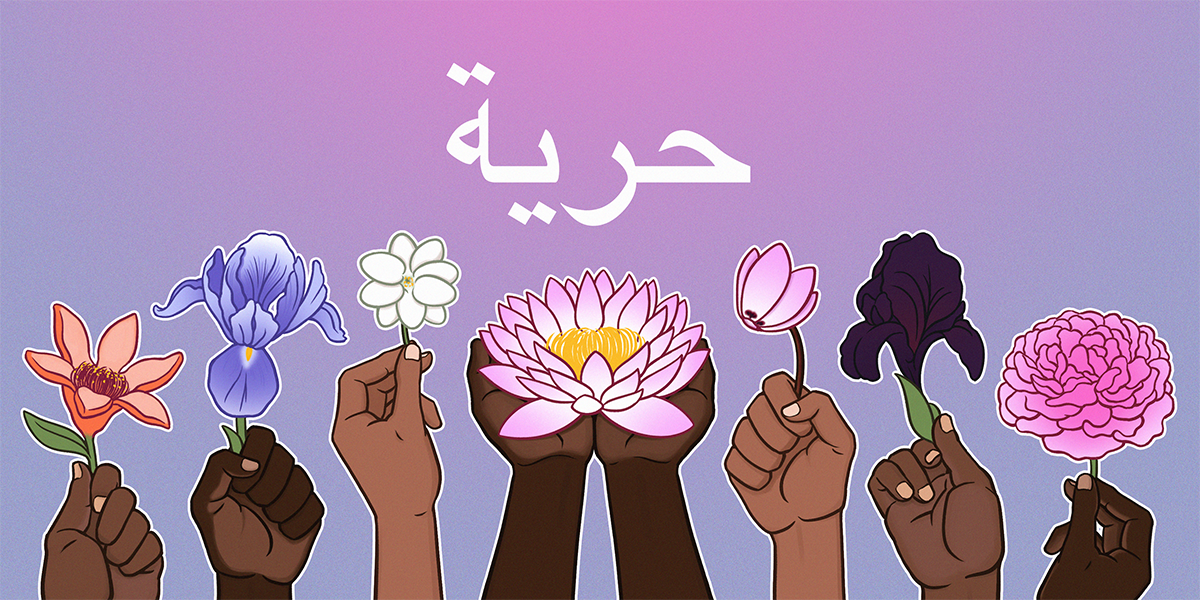
The 2011 Arab uprisings, a series of pro-democracy protests and revolts across the Middle East and North Africa, significantly altered the relationship between technology, activism, and state control. While initially celebrated as a testament to the power of social media in facilitating dissent, these events also spurred governments to develop more sophisticated methods of online surveillance and repression.
### The Rise of Digital Dissent
A new generation of protesters, adept at using social media and digital tools, mobilized across countries like Bangladesh, Iran, and Uganda. These tools enabled rapid coordination, turning local grievances into visible, transnational movements. However, this digital empowerment was quickly met with countermeasures.
Governments began implementing stricter regulations, deploying advanced surveillance systems, and using content manipulation and automated censorship to preempt and suppress collective action. This cycle of digital empowerment and repression has its roots in the Arab Spring.
### The Myth of the 'Twitter Revolution'
The narrative that the internet would inherently bring about democracy, particularly through social media platforms, gained traction. However, the same networks that aided protesters also laid the groundwork for new forms of repression. Tools once celebrated for dissent became instruments for tracking, harassing, and prosecuting dissenters.
> "Over the years, the same tools that were once celebrated as tools of dissent have become instruments for tracking, harassing, and prosecuting dissenters."
The self-immolation of Tunisian fruit vendor Mohamed Bouazizi on December 17, 2010, triggered widespread protests against President Zine El Abidine Ben Ali's regime. Ben Ali promised reforms, including a freer press and fewer internet restrictions, but ultimately fled the country.
Tunisia, at the time, had some of the most restrictive internet controls globally, including DNS tampering, URL blocking, IP filtering, and keyword censorship. Despite these measures, Tunisians developed a resilient blogging culture, using circumvention tools to share information.
### From Tunisia to Egypt: A Region in Revolt
Inspired by Tunisia, Egyptians took to the streets. The international media dubbed it a “**Twitter** revolution,” but the Egyptian government responded by blocking **Twitter** and **Facebook** on January 26. The next day, they shut down the internet almost entirely, a tactic later seen in Iran.
As Egyptians fought against President Hosni Mubarak's rule, protests spread to Bahrain, Syria, and Morocco. Digital platforms facilitated the sharing of images, testimonies, and tactics across borders, creating a playbook for dissent.
### The Consequences of the Myth
The idea of a “**Twitter** revolution” had significant consequences. Governments invested heavily in surveillance technologies, developed new legal mechanisms, increased their social media presence, and sought to influence platforms. Internet blackouts became a standard crisis response, and companies faced increasing pressure to comply with state demands.
The legacy of the 2011 uprisings is a story of power: states consolidating control online, platforms narrowing the space for dissent under pressure, and civil society evolving to defend its rights. This ongoing struggle continues to shape the digital landscape today.