EU Proposes Emergency Security Protocol to Combat Cyberattacks and Hybrid Threats
The President of the European Commission, **Ursula von der Leyen**, has unveiled a proposal for an emergency mechanism enabling any EU member state to summon the bloc's governments in response to escalating security threats, including sabotage, cyberattacks, and drone incursions. Modelled after **NATO's** Article 4, this protocol aims to streamline the EU's response to hybrid threats that increasingly blur the lines between conventional and cyber warfare.
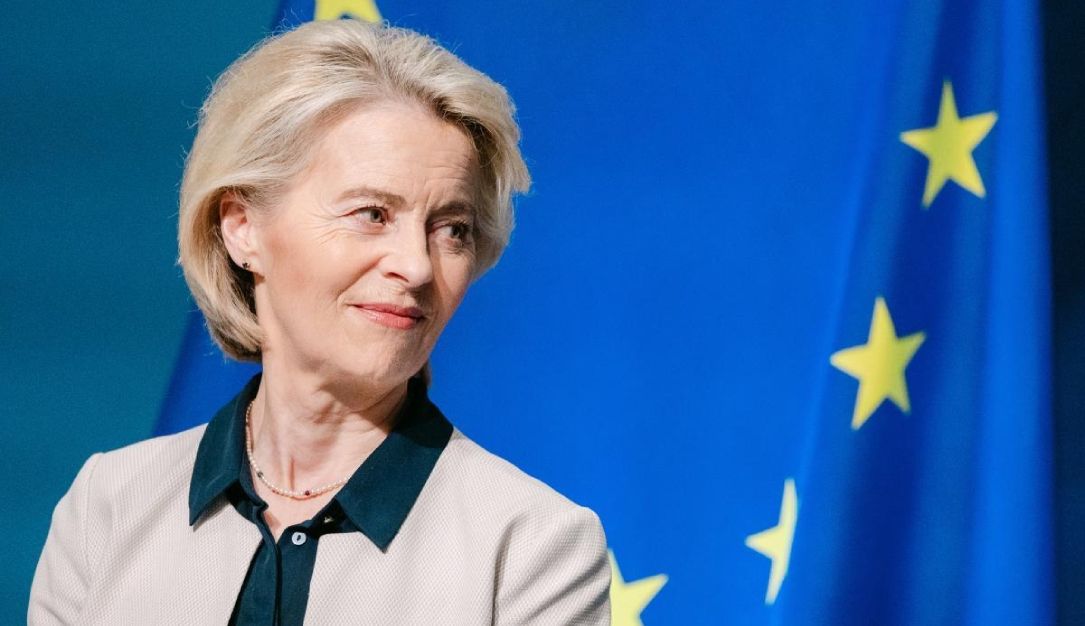
During her annual **State of the Union** address in Strasbourg, **Von der Leyen** highlighted the growing number of security incidents across Europe, citing examples in Denmark, Lithuania, Poland, and an attempted drone attack in Leipzig. She emphasized that the EU's existing systems and decision-making processes, designed for a different era, are struggling to keep pace with the rapidly evolving threat landscape.
"Cyberattacks and sabotage, arson and drone incursions are ramping up every day," **Von der Leyen** stated, underscoring the urgent need for a more agile and coordinated European response.
### The Emergency Security Protocol
The proposed **Emergency Security Protocol** would allow a single member state to trigger a full assembly of all 27 EU governments. The goal is to facilitate rapid coordination, deter further escalation, and mitigate the consequences of security incidents. This mechanism draws inspiration from **NATO's** Article 4, which permits members to consult when their territorial integrity, political independence, or security is threatened. It's crucial to note that this differs from **NATO's** Article 5, the collective defense clause.
The EU already possesses its own mutual assistance provisions, such as Article 42(7) of the **Treaty on European Union** (invoked by France after the 2015 Paris terrorist attacks) and Article 222 of the **Treaty on the Functioning of the European Union**. However, **Von der Leyen's** proposal suggests these existing frameworks may not be sufficient for the current threat environment.
### Unanswered Questions and Future Directions
While the protocol outlines a mechanism for convening governments, specifics regarding the subsequent decision-making processes remain unclear. Many decisions under the EU's common foreign and security policy currently require unanimity, which can lead to delays and impasses, as recently seen with the routine renewal of sanctions on Russia.
**Von der Leyen** did not specify whether the proposed protocol would alter these unanimity rules, establish pre-agreed responses, or simply provide a new framework for consultation. She stressed the critical need for an agreed-upon approach to hostile acts that fall below the threshold of armed aggression but still pose significant national security risks.
### Broader Security and Defense Initiatives
The **Emergency Security Protocol** is part of a wider set of security and defense initiatives announced by **Von der Leyen**. These include plans for a **European Security Council**, which would bring together EU leaders with key partners like Britain, Canada, Norway, and Ukraine to discuss continental security.
Additionally, **Von der Leyen** announced a **European Instrument for Strategic Enablers**, designed to bolster capabilities in areas such as air and missile defense, strategic transport, air-to-air refueling, space systems, and crucial cyber capabilities. This initiative is slated to be aligned with **NATO** efforts.
Further details on these proposals are expected in the Commission's forthcoming European security strategy, which was previously anticipated in the third quarter of 2026.