Finnish Court Revives Prosecution of 'Eagle S' Crew in Baltic Sea Cable Severing Incident
A Finnish appeals court has overturned a district court's decision, reinstating the prosecution of three senior officers from the **Eagle S**, a Russia-linked oil tanker accused of severing multiple subsea cables in the Baltic Sea. The ruling asserts Finnish jurisdiction, sending a clear message regarding accountability for damage to critical undersea infrastructure.
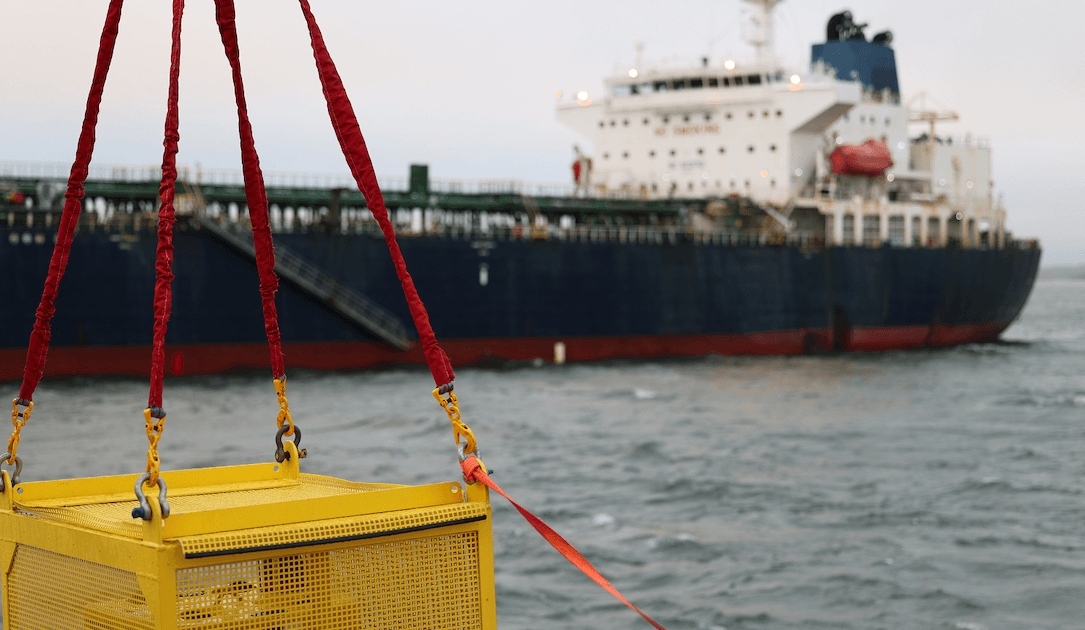
A significant legal development has unfolded in Finland, with the Helsinki Court of Appeal reviving the prosecution against three senior officers of the **Eagle S** oil tanker. The vessel is implicated in the severing of multiple subsea cables in the Baltic Sea on Christmas Day 2024.
This unanimous decision overturns an October district court judgment that had dismissed the case, citing a lack of Finnish jurisdiction. The appeals court has now remanded the case back to the Helsinki District Court for a full hearing on its merits, despite the accused having left Finland.
### Jurisdiction and the Definition of 'Maritime Accident'
Crucially, the appeals court ruled that Finland has jurisdiction because the damage, and its subsequent impact on the country's power and telecommunications supply, occurred within Finnish territory. This directly counters the defendants' argument that the incident constituted a "maritime accident" under the **United Nations Convention on the Law of the Sea**, which would typically limit jurisdiction to the ship's flag state (**Cook Islands**) or the crew's home countries (**Georgia** and **India**).
While the court acknowledged the initial anchor drop might have been accidental, it deemed the subsequent actions of the crew as non-accidental. After Finnish authorities contacted the **Eagle S** at 3:20 p.m. on December 25, the crew allegedly provided false information, claiming both anchors were secured. The vessel then continued for approximately 90 kilometers (55 miles), dragging its port anchor and severing four additional cables over more than three hours.
Finnish authorities dispatched armed units to board the ship by helicopter, seizing the **Eagle S** on suspicion of aggravated criminal mischief. The court emphasized that the crew's continued conduct after contact with Finnish authorities removed the episode from the protection of a "maritime accident" under the U.N. convention, noting that only the intervention prevented further damage.
### Broader Implications and Upcoming Trials
This ruling carries significant weight for the maritime legal community, addressing concerns that ships operating under flags of convenience could damage undersea infrastructure in international waters with impunity. Henrik Ringbom, professor of maritime law at **Åbo Akademi University**, had previously warned that such a precedent could lead to unchecked damage to critical infrastructure.
Concerns about the intentionality of these cable breaks have been heightened by a series of similar incidents in the Baltic Sea, with some linking them to Russia's "shadow fleet" – a collection of aging vessels with opaque ownership structures. However, officials from several European countries have expressed increasing confidence that many of these incidents were accidental and not directed by the Kremlin.
This decision also arrives weeks before a related trial involving the **Fitburg**, a cargo ship accused of similar damage to civilian infrastructure on New Year’s Eve. Deputy Prosecutor General Jukka Rappe, who filed the **Fitburg** charges, stated that the appeals court's ruling aligns with the prosecution's position and will guide the upcoming trial.
### Civil Damages and Remaining Disputes
The court also clarified the substantial civil damages at stake. The joint owners of the **Estlink 2** power cable, **Fingrid** (Finland’s state grid operator) and **Elering** (its Estonian counterpart), are seeking approximately €105 million ($122 million) from the three officers. This includes €55.3 million in repair costs and an additional €50 million in lost income. The **Estlink 2** cable was out of service for about six months.
Furthermore, the court rejected a claim by the **Eagle S**' manager, **Peninsular Maritime India**, for over €680,000 ($790,000) in litigation costs. Some technical material related to the cable will remain sealed until 2050, but several secrecy requests, including for the officers' employment contracts, were rejected.
This decision is not yet final and can be appealed to the Supreme Court if leave is granted, with a deadline of October 26, 2026.