Flock Safety Halts 'Distress Detection' Feature After Public Outcry
Surveillance tech giant **Flock Safety** has reversed course, announcing the discontinuation of its controversial 'Distress Detection' feature. This decision follows significant public and privacy advocate pressure against the plan to use acoustic gunshot detection devices to monitor for signs of 'human distress,' including screaming.
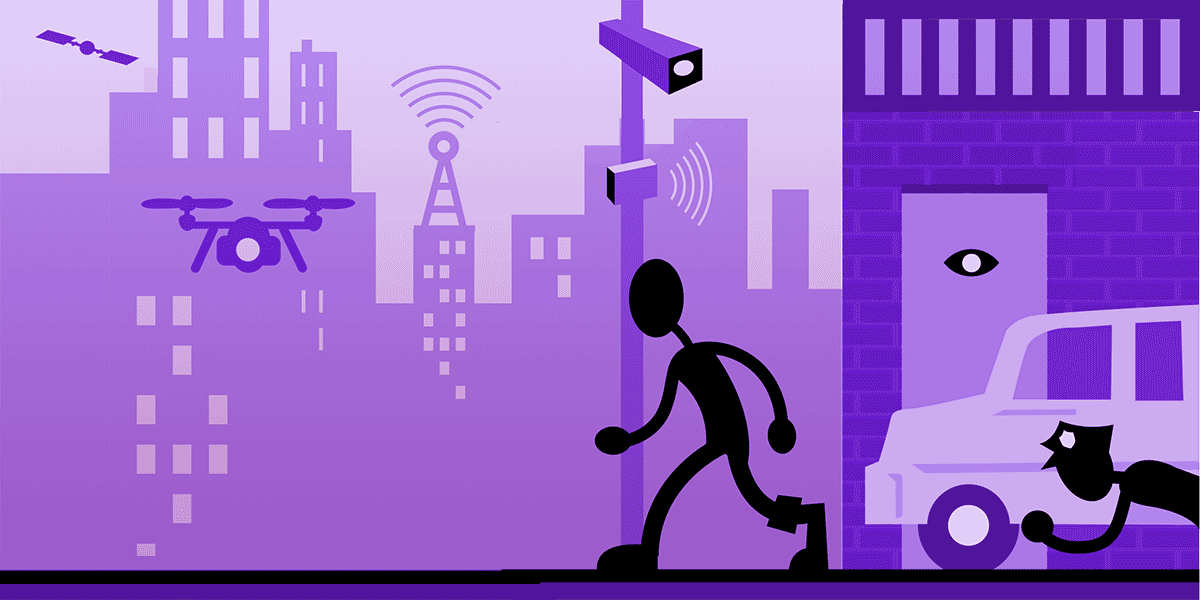
In a significant win for privacy advocates, **Flock Safety**, widely known for its extensive network of **automated license plate readers (ALPRs)**, has confirmed it will end a pilot for its acoustic gunshot detection devices (formerly **Flock Raven**, now **Audio Detection**) to identify signs of “human distress.”
### The Controversial 'Distress Detection'
Last October, the **Electronic Frontier Foundation (EFF)** raised alarms about **Flock Safety**'s rollout of 'Distress Detection.' This feature proposed using high-powered microphones, already deployed across cities for gunshot detection, to listen for sounds of human distress. Early advertisements explicitly mentioned searching for “screaming,” though this was later quietly amended to “distress.”
**Flock Safety** has now published a blog post stating, “After careful consideration and community consultation, we decided to remove the feature.” This move is a direct response to the strong civil liberties concerns raised by the **EFF** and others.
### Why the Concern? Misguided and Dangerous
The **EFF** consistently argued that 'Distress Detection' was a misguided and dangerous feature. Key concerns included:
* **Civil Liberties Infringement:** The pervasive nature of such surveillance raised serious privacy issues.
* **Risk of False Positives:** The potential for armed police to respond to everyday loud interactions was a significant hazard.
* **Legality:** In many jurisdictions, this type of eavesdropping could be illegal under state laws.
**Flock Safety** even acknowledged these concerns in an attempt to rebut opposition to the mass surveillance capabilities of their products.
### Beyond Distress: The Ongoing Risks of Acoustic Surveillance
While the discontinuation of 'Distress Detection' is a positive step, it doesn't eliminate all concerns regarding **Flock Safety**'s acoustic microphones. Acoustic gunshot detection itself remains a contentious technology, often criticized for its inaccuracy and potential for harm.
Instances like the Chicago incident, where a **ShotSpotter** alert led to police shooting at children lighting fireworks, highlight the severe real-world consequences of imperfect acoustic systems. **Flock Safety** admits, “No acoustic system is perfect, and we don't claim otherwise.” Yet, deploying such technology in high-stakes situations where perceived gun violence is involved carries immense risk.
Furthermore, **Flock Safety**'s devices listen for more than just gunshots. Their marketing materials indicate a broader scope, including “community disruption” and “non-violent” threats like car sideshows and fireworks.
### Lessons from a Failed Rollout
This episode offers critical insights into police surveillance:
1. **Compliance is Not Guaranteed:** Even large, well-funded companies may not fully comply with local privacy laws before launching new products.
2. **Mission Creep is Real:** Technology initially justified for severe crimes often expands its scope. The evolution from gunshot detection to listening for screaming mirrors the mission creep observed with **Flock Safety**'s **ALPRs**.
3. **Technology Isn't a Silver Bullet:** Gun violence and other societal issues are complex. Relying on flawed technology, rather than addressing root causes, can create more problems than it solves, blanketing communities in potentially harmful surveillance.
Ultimately, public pressure can be a powerful force. **Flock Safety**'s decision to halt 'Distress Detection' demonstrates that sustained advocacy can influence both tech companies and the lawmakers who control city budgets, leading to the discontinuation of harmful products. This is a significant victory for privacy and civil liberties.