Flock Safety Halts 'Distress Detection' Feature After Public Outcry
Surveillance technology vendor **Flock Safety** has reversed course on its controversial 'Distress Detection' feature, which aimed to use acoustic gunshot detection devices to identify sounds of human distress, including screaming. The decision follows significant public pressure and warnings from privacy advocates regarding civil liberties concerns and potential legal issues.
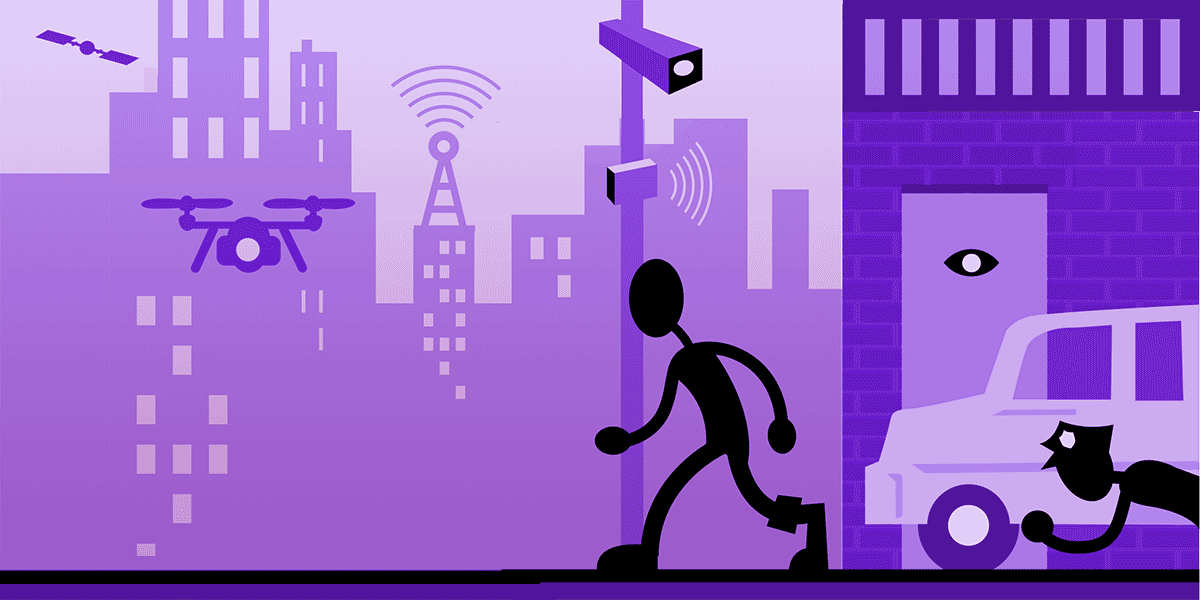
In a recent announcement, **Flock Safety**, known for its extensive network of **automated license plate readers (ALPRs)**, confirmed the discontinuation of its 'Distress Detection' pilot. This feature, originally advertised to detect 'screaming' through its acoustic gunshot detection devices (formerly **Flock Raven**, now **Audio Detection**), drew immediate criticism from privacy organizations and the public.
The **Electronic Frontier Foundation (EFF)**, in October 2025, raised alarms about the potential for widespread surveillance and the implications for civil liberties. The **EFF** highlighted concerns that such a system could lead to armed police responses to innocuous interactions and potentially violate state eavesdropping laws.
**Flock Safety**'s blog post stated, "After careful consideration and community consultation, we decided to remove the feature." This marks a notable victory for public advocacy against invasive surveillance technologies.
### Persistent Concerns with Acoustic Detection
While the 'Distress Detection' feature is gone, concerns about **Flock Safety**'s acoustic gunshot detection devices persist. Critics, including the **EFF**, argue that this technology remains inherently dangerous and often inaccurate. Examples of real-world harm, such as a police shooting incident in Chicago linked to **ShotSpotter** (a similar technology), underscore the risks of deploying imperfect systems in high-stakes scenarios.
**Flock Safety** itself acknowledges that "No acoustic system is perfect, and we don't claim otherwise." However, the technology is marketed to detect more than just gunshots, including broader 'community disruption' like car sideshows and fireworks, expanding its potential for surveillance beyond its stated primary purpose.
### Lessons from Mission Creep
The episode with 'Distress Detection' offers several critical lessons for IT security professionals and privacy-conscious users:
* **Compliance is Not Guaranteed**: Even large, well-funded companies may float new products without fully assessing compliance with local privacy laws.
* **Mission Creep is Real**: Surveillance infrastructure, once deployed, is prone to 'mission creep.' Initial justifications for addressing severe crimes can quickly expand to new uses without public consent or approval. This mirrors the expansion seen with **Flock Safety**'s **ALPRs**.
* **Technology Isn't a Silver Bullet**: Complex societal issues like gun violence cannot be solved by a single, flawed technology. Over-reliance on tech company marketing pitches can divert resources from addressing root causes and create new hazards for communities.
This outcome demonstrates the power of public pressure in influencing both tech companies and city lawmakers to reconsider or divest from harmful products. While the fight for privacy and against pervasive surveillance continues, the suspension of 'Distress Detection' is a significant positive step.