Flock Safety Tightens Policies Amidst Widespread License Plate Reader Abuse Concerns
**Flock Safety**, a prominent provider of automatic license plate reader (ALPR) technology, is implementing significant policy changes to curb the misuse of its systems by law enforcement. The move comes in response to growing public and legal backlash over officers using the surveillance tools for personal reasons, highlighting persistent privacy concerns.
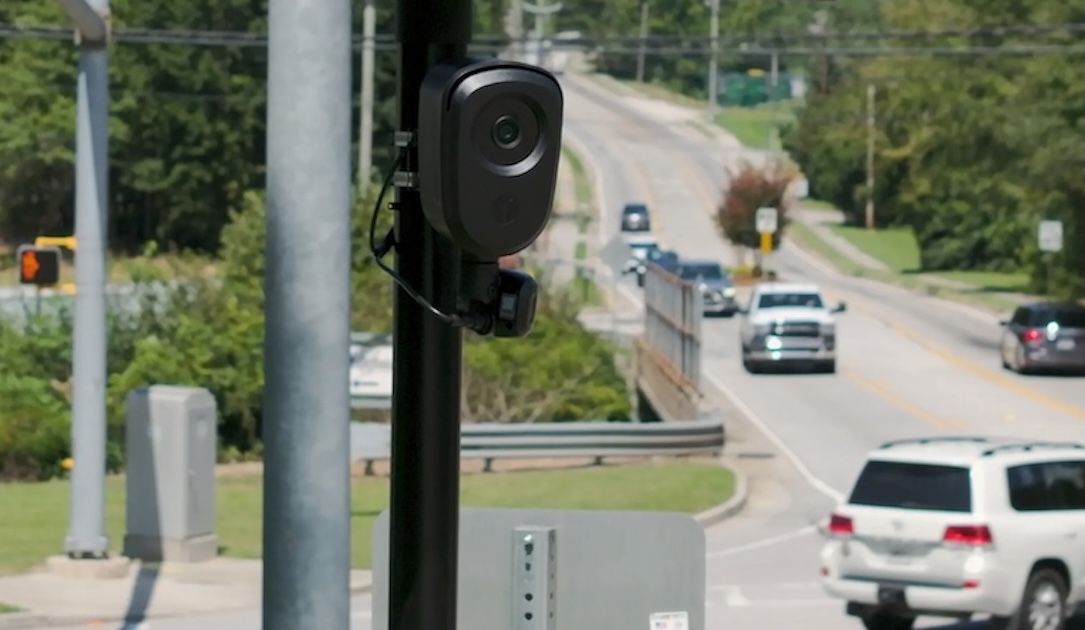
The controversial license plate reader company **Flock Safety** has announced policy adjustments aimed at mitigating the abuse of its technology by law enforcement officers. This development follows increasing nationwide scrutiny and public opposition to the rapid proliferation of its surveillance cameras.
### Enhanced Audit Features and Mandatory Case Codes
**Flock Safety** revealed it would expand its "Audit Assistance" feature, which tracks and flags abnormal activity within departments utilizing its technology. By the end of the year, all customers will be mandated to adopt this auditing feature. Crucially, a user's account will be automatically suspended during any review of suspicious activity.
Furthermore, **Flock Safety** will now require officers to input case codes linked to an active investigation when conducting a search. This feature, previously optional since its rollout in July 2025, can only be bypassed in emergency situations.
### A Pattern of Misconduct
These tightened protections are a direct consequence of revelations concerning officers nationwide misusing **Flock Safety**'s license plate readers for personal tracking. Earlier this week, a police officer in New Bedford, Massachusetts, was accused in court of employing the technology to stalk an ex-girlfriend. Separately, three sheriff's deputies in Georgia faced arrest for similar offenses. A **Washington Post** investigation earlier this month identified at least 50 law enforcement officers charged with misusing **Flock Safety**'s tools.
### Industry Response and Civil Liberties Concerns
**Flock Safety** has framed these new measures as a "continuation of our commitment to both safety and privacy." However, **Chad Marlow**, Senior Policy Counsel at the **American Civil Liberties Union (ACLU)**, largely dismissed the announcement as a public relations maneuver.
While Marlow acknowledged a proposed reduction in data retention from 30 to seven days (except for investigative evidence) as a potentially positive step, he criticized several other changes as "merely retreads of previous inadequate safety measures."
### Data Sharing and System Vulnerabilities
The new rules also attempt to address concerns regarding the vast amounts of information collected by these cameras, which can be accessed across various jurisdictions. **Flock Safety** stated that clients can now limit the circumstances under which they share information with other agencies. For instance, they could permit database searches for missing person investigations but restrict access for immigration enforcement.
However, it remains unclear how the system would prevent an officer from abusing this by falsely stating the reason for a search. The **ACLU**'s Marlow noted that this measure isn't new and has previously failed because "users were easily able to circumvent the system's requirement that police input the purpose of their search."
### The Expanding Surveillance Network
Founded just a decade ago in Atlanta, Georgia, **Flock Safety** has secured contracts with over 7,000 organizations across the United States, building a network of approximately 120,000 license plate readers. This extensive surveillance web has generated widespread opposition from individuals and civil liberties groups who argue it erodes the right to privacy.
The public outcry has led to contract cancellations with the company in several cities, including Los Angeles, Cambridge, Massachusetts, and Eugene, Oregon.