Florida and Georgia Enforce Social Media Age-Gating, Raising Free Speech and Privacy Concerns
Federal appeals courts have cleared the way for Florida and Georgia to implement new laws mandating age restrictions and parental consent for social media use by minors. These decisions, while aimed at online safety, are sparking significant concerns among IT security professionals and privacy advocates regarding free expression, data privacy, and the practical implications for both young people and adults.
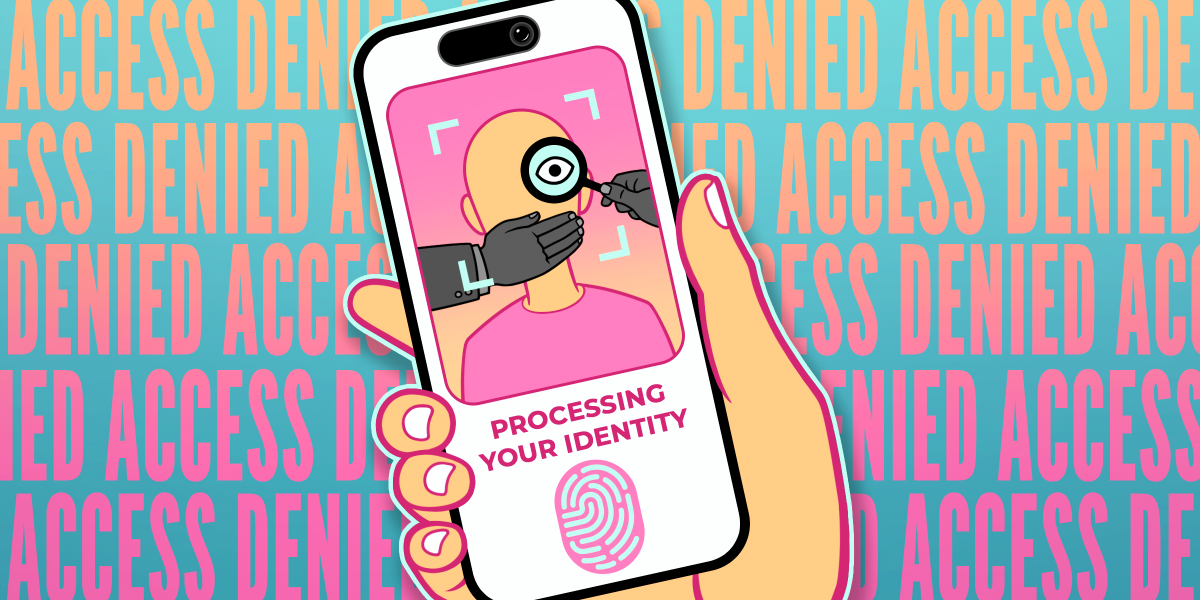
Last week, two federal appeals courts issued opinions that will allow Florida and Georgia to begin enforcing laws designed to age-gate and block young people from accessing social media. Critics argue these laws inadequately respect minors’ rights to play, speak, and learn online, and fundamentally fail to enhance online safety in a meaningful way.
The **Electronic Frontier Foundation (EFF)**, a prominent digital rights advocacy group, has voiced strong opposition, asserting that these laws threaten the free expression and privacy of both minors and adults. With injunctions lifted, Florida and Georgia are now free to enforce broad restrictions on social media use.
### The Decisions
These two opinions, issued by the same panel from the U.S. Court of Appeals for the 11th Circuit, permit Florida and Georgia to enforce restrictions on social media accounts for individuals under 16 years old. The specific requirements vary by state.
In **Florida**, the judges allowed the state’s **H.B. 3** to proceed. This law mandates covered platforms to ban anyone under 14 from opening or maintaining accounts, even with parental permission. Teenagers aged 14 or 15 can only have accounts with parental consent. Platforms covered by the law are those using algorithms, allowing content uploads or viewing, and featuring elements like livestreaming, engagement metrics, autoplay, infinite scrolling, or push notifications – effectively encompassing most major social media services used by young people.
The ruling on Florida’s law recognized that **H.B. 3** targets expression protected by the First Amendment. However, it uncritically accepted the premise that social media can be clinically addictive, based on a standard that considers only 10% of users under 16 spending two or more hours daily on a platform. The court equated time spent online with harm, without distinguishing between compulsive use and activities like organizing campaigns, creating art, or communicating with friends.
In **Georgia**, **S.B. 351** can now be enforced. This law requires parental consent for anyone under 16 to hold a social media account and mandates platforms to make “commercially reasonable efforts” to verify users’ ages. This creates a significant hurdle for adults as well as those under 16.
The ruling acknowledged that **S.B. 351** “overwhelmingly applies to platforms that overwhelmingly host protected speech.” However, it faulted the plaintiffs for not demonstrating that “invalid applications substantially outweigh the valid ones,” a standard that critics argue is virtually impossible to meet given the vast scope of online content.
Both cases may face further appeals and are likely to continue in lower courts. Nevertheless, individuals in Georgia and Florida can no longer rely on court injunctions to protect their immediate access to the web. The future impact will depend on how platforms implement these new restrictions, particularly regarding age verification and parental consent, and how state officials interpret and enforce these efforts.
### What is Lost
The enforcement of these laws carries significant consequences. Many young people who lose their social media accounts may lose contact with friends, access to support groups, the ability to engage in current issues, or an audience for their creative work. They may also be excluded from discussions concerning their schools and communities. U.S. law has historically recognized that individuals under 18 possess their own rights to speak and receive information, rights that these new laws directly interfere with.
The Florida opinion suggests that young people can browse the internet without an account or use a parent’s account. However, this fails to address the needs of those participating in private groups, sending personal messages, or engaging with an audience they have cultivated. It also overlooks the reality that many young people may not have access to a parent's device or have healthy relationships with their parents. For parents of children under 14, the Florida law also overrides parental autonomy, prohibiting them from allowing their child on these services, even if they wish to.
These laws will not only affect younger individuals. Adults and older teenagers will also bear the cost of these new regulations. To determine who is young enough to be restricted or require parental consent, services will likely need to implement rigorous age verification processes, potentially demanding government IDs or other sensitive personal information. This could lead to individuals being misclassified as too young or opting out of services to avoid surrendering additional personal data.
### Keep A Record
Between the recent **Meta** settlement and these 11th Circuit decisions, age-gating is becoming an undeniable reality for the American internet, despite widespread opposition. As these laws are enforced, it is crucial to understand their impact on individuals and to document their effects on free speech to advocate for their repeal.
If you encounter a restriction due to these laws, the **EFF** encourages you to keep a detailed record. This should ideally include screenshots, notes on the date and time, the service involved, and the specific task you were attempting to accomplish.
* **Loss of account or participation:** Describe what you lost. Were you using a group to organize a club, volunteer in your community, or stay in touch with friends? Did losing your account sever connections you otherwise couldn't maintain? Even if you used the account solely for local news or following content creators, this still represents a significant loss of your right to access online information.
* **Problems with age checks and parental consent:** Document the information the service requested, whether you could provide it, and if your age proof was rejected or you were incorrectly classified. If you are a parent, detail the process for giving permission and what information you had to provide. Note any promises made by the service regarding the data collected from you. Save explanations from platforms or their age-gating services, including any cited laws. If you choose to appeal a decision, track those attempts as well.
*If you are impacted, you can reach out to the EFF at [email protected].*