Former Pentester Arrested in South Korea Over AI-Powered Data Theft Affecting 90+ Organizations
South Korean authorities have apprehended a former penetration tester and six associates for a massive cybercrime operation that leveraged the **ARTEX AI** pentesting framework. The group is accused of breaching over 90 organizations, stealing 8.2 million data records, and demanding ransom payments totaling approximately $270,000.

South Korean police have made a significant breakthrough in a cybercrime investigation, identifying and arresting seven individuals linked to a widespread hacking campaign. The operation, which impacted more than 90 organizations across the country, notably exploited the **ARTEX AI** penetration testing framework in a majority of the attacks.
According to local media, citing the **Seoul Metropolitan Police**, the alleged ringleader boasts a background in penetration testing, having worked at a cybersecurity firm between 2019 and 2022. This experience reportedly provided the foundation for their sophisticated attack methodologies.
The threat actors are believed to have exfiltrated a staggering 8.2 million records from compromised entities. The victims spanned a diverse range of sectors, including educational institutions, hospitals, major corporations, and even golf courses, highlighting the indiscriminate nature of the attacks.
In 38 of the incidents, the group allegedly demanded ransom payments, collectively amounting to 360 million won (approximately $270,000 USD). These demands were accompanied by promises to withhold the stolen data from public release.
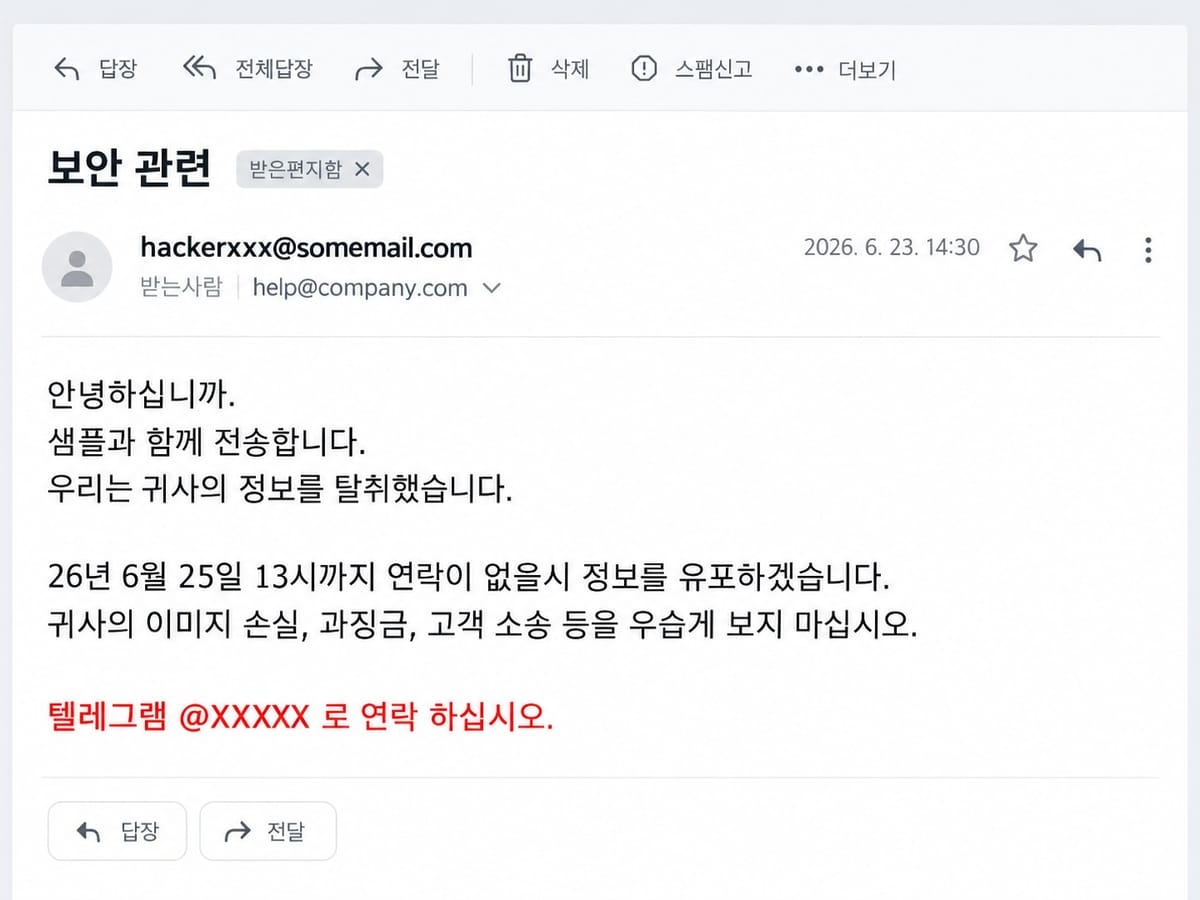
**Yonhap News** reported that the 32-year-old self-taught hacker, the alleged gang leader, initiated attacks in September 2025. While initially employing conventional hacking tools, the shift to AI utilities in late August 2026 significantly expanded the scope and scale of their operations.
The **Seoul Metropolitan Police** confirmed that the hacker utilized the **ARTEX AI** penetration testing suite. This is the same autonomous framework previously linked to attacks against multiple South Korean banks, which were attributed to a Chinese-speaking threat actor.
All seven suspects have been arrested, though only the group's leader remains in custody. He was formally detained on October 17 after his initial arrest on October 15, and subsequently referred to prosecutors on October 23. The remaining six suspects are under investigation without detention.
The investigation commenced after a victim filed a complaint in June. Investigators successfully traced the suspects through server logs obtained from the breached organizations. Interestingly, law enforcement reportedly employed its own in-house AI tool to analyze the recovered evidence, demonstrating a parallel use of advanced technology.
Police officials highlighted that the advent of AI has dramatically lowered the barrier to entry for aspiring cybercriminals. This has enabled large-scale, high-impact incidents that were previously the exclusive domain of highly skilled and knowledgeable actors.
“This is the first case of arrest of a suspect in Korea related to a large-scale hacking and personal information theft crime that exploited generative AI," the police told Yonhap. “Even individuals who are not professional hacker organizations can now hack on a large scale with the help of AI.”
The ongoing police investigation is now focused on determining whether any of the stolen data has been leaked or sold on the dark web.