Google's Gemini AI Battles Surge in AI-Powered Malvertising
**Google** is leveraging its **Gemini** AI models to combat the rising tide of malicious advertisements (malvertising) on its platforms. Cybercriminals are increasingly using generative AI to create deceptive ads at scale, prompting **Google** to enhance its detection and blocking capabilities.


**Google** reports a significant increase in the use of its **Gemini** AI models to detect and block harmful ads, as threat actors refine their tactics to evade traditional detection methods. The company's efforts resulted in blocking or removing 8.3 billion ads and suspending 24.9 million advertiser accounts in 2025, including a staggering 602 million ads linked to scams.
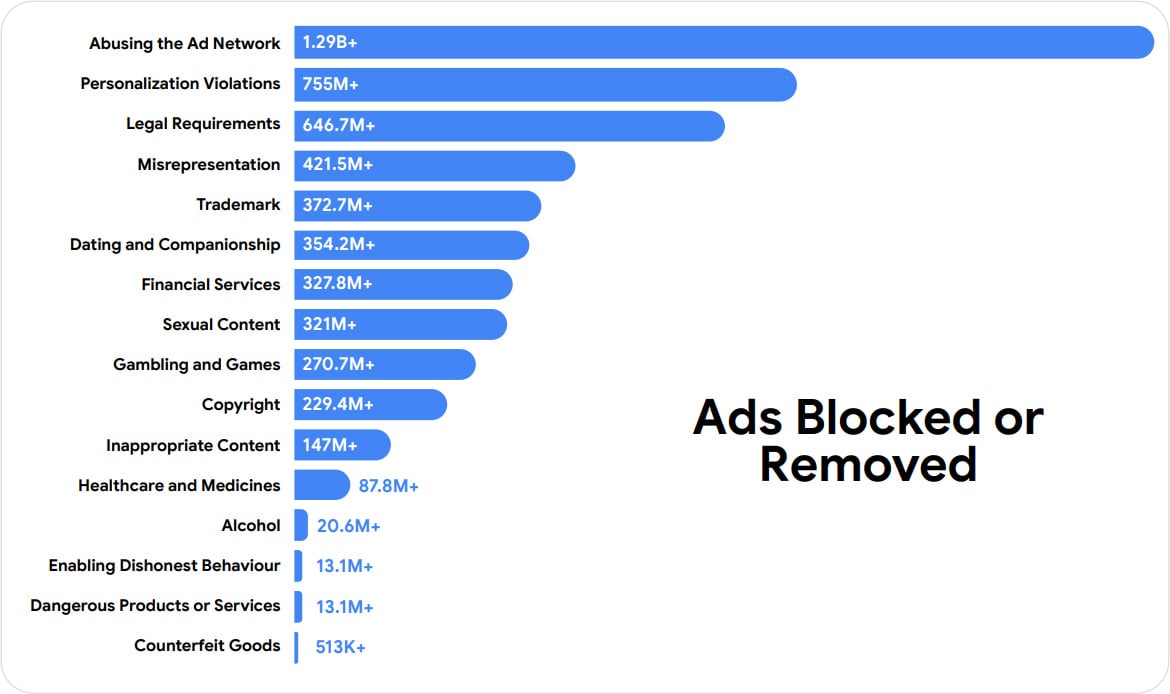
Malvertising: A Persistent Threat
Malvertising remains a long-standing issue on **Google**'s ad network. Attackers purchase ads that mimic legitimate brands and services, distributing malware, stealing cryptocurrency, or redirecting users to phishing sites. These campaigns often employ cloaking techniques and URL redirects to appear trustworthy, sometimes even impersonating **Google**'s own domains or legitimate software download pages.
Recent examples uncovered by BleepingComputer include:
* Fake login pages designed to steal **Google Ads** accounts.
* Distribution of trojanized software via ads impersonating tools like **Google Authenticator** and **Homebrew**.
* Ads for websites posing as cryptocurrency platforms that drain visitors' wallets.
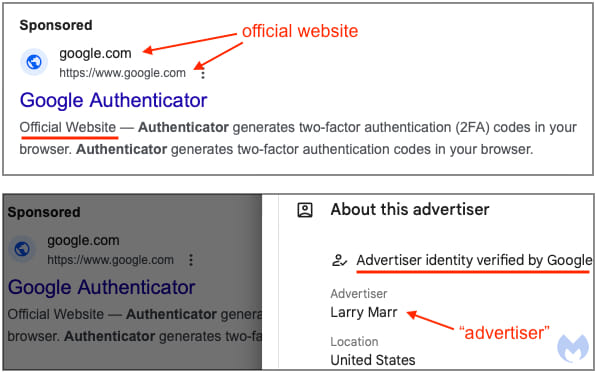
_Source: Malwarebytes_
AI vs. AI: Gemini's Role in Ad Security
**Google** reports that cybercriminals are now utilizing generative AI to create more sophisticated and larger-scale malicious advertising campaigns.
"Bad actors are using generative AI to create deceptive ads at scale, and **Gemini** helps us detect and block them in real time. By the end of last year, the majority of Responsive Search Ads created in **Google Ads** were reviewed instantly, and harmful content was blocked at submission — a capability we plan to bring to more ad formats this year," explained **Keerat Sharma**, VP & General Manager, Ads Privacy and Safety.
To counter this, **Google** is increasingly relying on **Gemini** AI-powered systems to automate the detection and blocking of malicious ads before they reach users. While previous systems analyzed keywords, **Gemini** analyzes billions of signals, including advertiser behavior, account history, campaign patterns, and intent, to determine an ad's malicious nature.
Impact and Future Developments
In the United States alone, **Google** removed 1.7 billion ads and suspended 3.3 million advertiser accounts in 2025, citing "abusing the ad network" and "misrepresentation" as the top policy violations. The enhanced accuracy of **Google**'s AI models has also led to an 80% reduction in incorrect advertiser suspensions.
**Google** plans to continue expanding the use of **Gemini** across additional ad formats and enforcement systems, with the goal of blocking malicious campaigns at the point of submission.