Beyond Chargebacks: Unmasking the Hidden Costs of Fraud
Fraud prevention often fixates on chargeback rates, but this narrow focus obscures a wider range of damaging impacts. A new analysis from **IPQS** highlights the hidden costs of fraud, urging organizations to adopt a more comprehensive approach.

For many teams, fraud performance is often measured by a single metric: chargeback rate. However, **Alexander Hall**, VP of Fraud Strategy at **IPQS**, recently discussed with Jordan Harris of The Fraud Boxer how this focus can lead teams to underestimate the true impact of fraud.
These hidden impacts, often missed by chargeback metrics, significantly affect revenue, operations, and brand trust. Organizations need to broaden their fraud measurement to gain a clearer picture of the problem.
## The Limitations of Chargeback Metrics
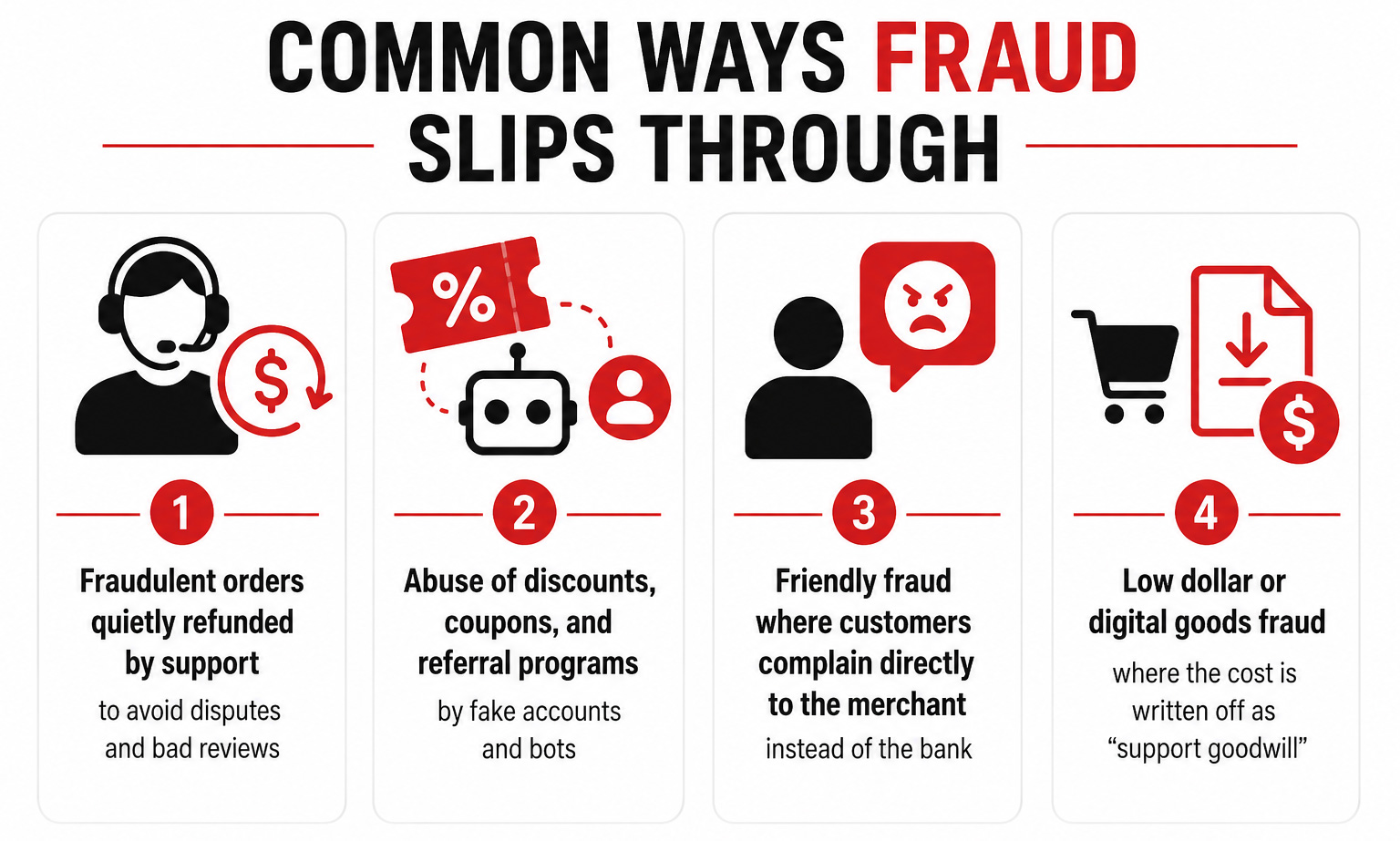
Chargebacks capture only a small portion of fraud losses. Solely focusing on them can mask larger issues affecting growth, customer experience, and long-term profitability.
These hidden cases eat into margins just as much as disputes but are rarely tagged as fraud in internal reporting, leading to flawed risk assessments.
For example, e-commerce and airlines are experiencing a rise in **Account Takeover (ATO)** attacks.
While user experience is a priority, successful ATOs undo this effort, driving customer churn, increasing acquisition costs, and enabling off-platform identity theft through stolen PII. They also lead to direct losses, such as reimbursing stolen stored value, including loyalty points.
Similar patterns are emerging across industries, with iGaming platforms seeing fraudulent withdrawals after account changes, banking facing a surge in synthetic identity fraud, and money movement platforms dealing with identity theft used to create and operate fraudulent businesses.
## Opportunity Cost: Good Customers Lost
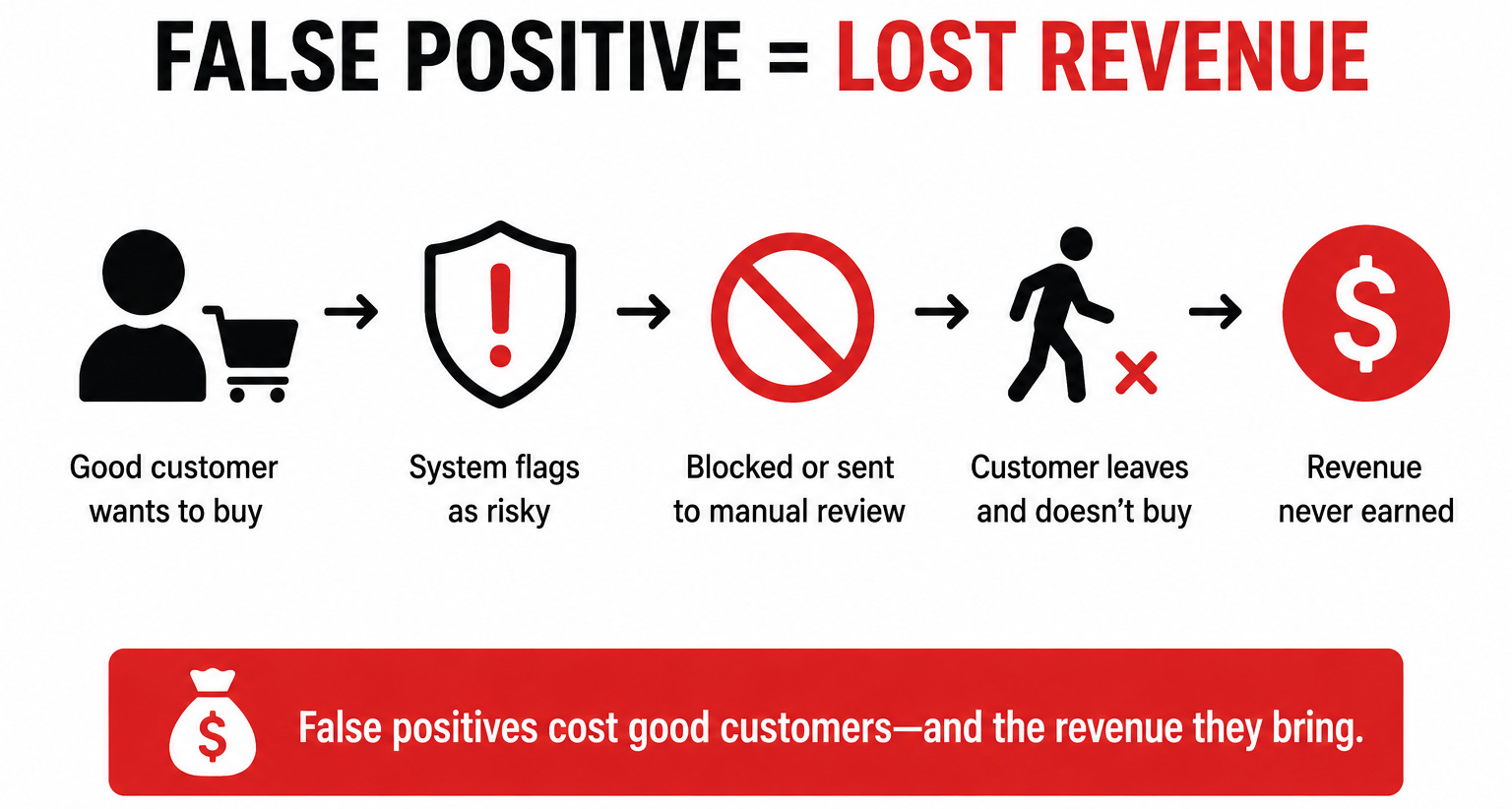
The other side of fraud is the revenue you never earn. Overly strict rules or tools can lead to legitimate customers being declined or forced into slow manual reviews.
False positives are a significant, yet often invisible, cost of fraud prevention. Legitimate customers blocked due to perceived risky IP addresses, devices, or emails may abandon their purchase and never return.
According to **IPQS**, accurate risk scoring and tuning are crucial for catching fraud and preventing these false positives.
## Operational Drag: Manual Reviews and Support Overload
Each suspicious order requiring manual review increases labor costs, slows fulfillment, and creates friction for customers.
Fraud-related tickets also accumulate in support queues, ranging from refund requests and account lockouts to disputes over promotional abuse. This operational drag can rival direct losses, especially for high-volume merchants and platforms.
## Brand and Customer Experience Risk
Fraud is fundamentally a trust problem. Account takeovers or fake accounts abusing a platform erode user confidence in data and financial security.
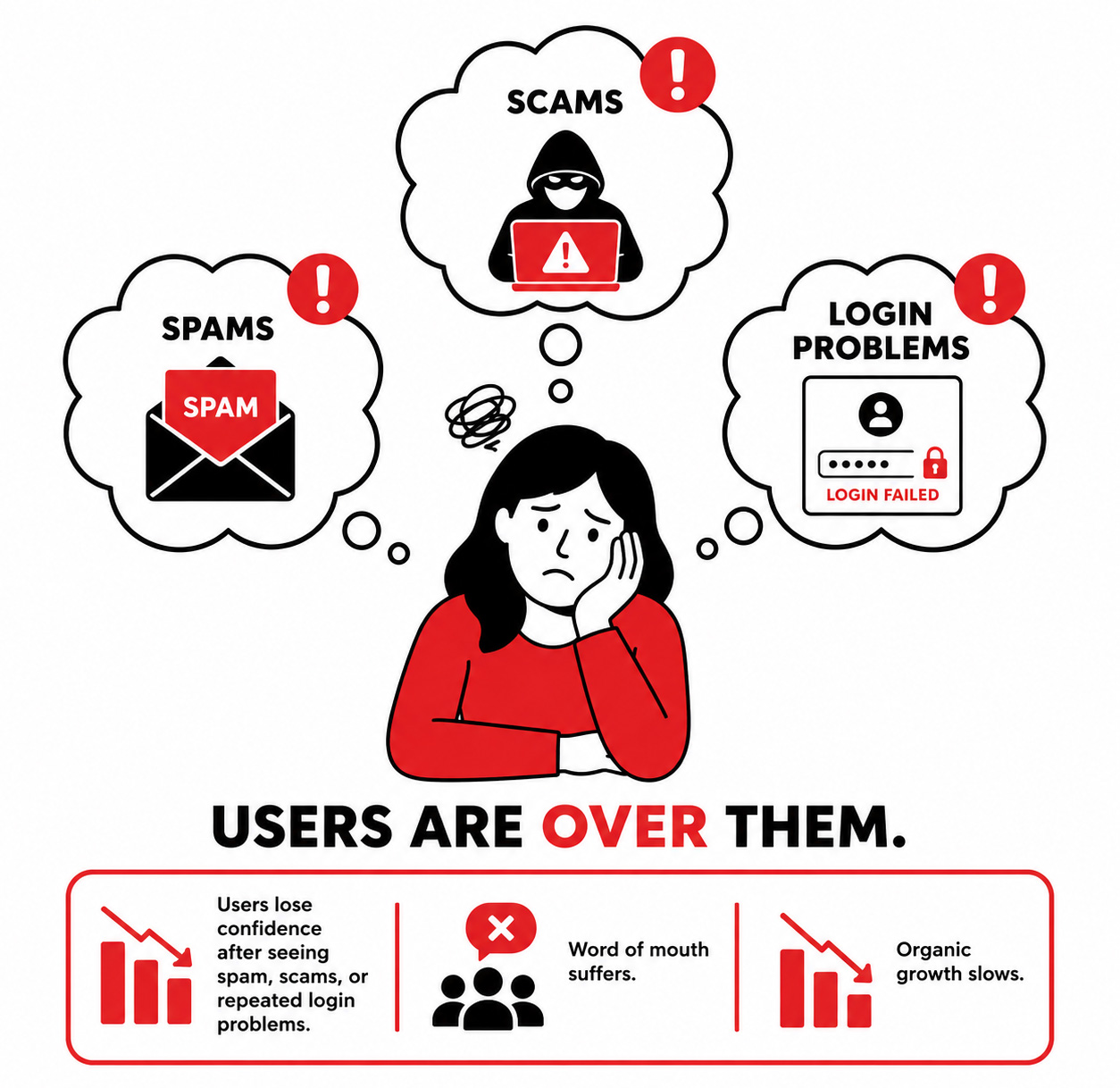
**IPQS** notes that fraud can evolve into a brand issue, impacting user confidence and slowing organic growth due to negative word-of-mouth.
## Key Metrics Beyond Chargebacks
A mature fraud program treats chargebacks as just one outcome, not the complete picture. Useful additional metrics include:
* Approval rate for good customers
* False positive rate
* Manual review rate and average decision time
* Volume and value of fraud-related refunds or credits
* Abuse rates for promotions, referrals, and loyalty programs
* Account takeover incidents and new account abuse volume
Tracking these metrics alongside chargebacks provides a clearer view of the effectiveness of fraud controls in supporting growth.
## IPQS's Approach to Measuring Fraud Impact
As a fraud and risk data provider, **IPQS** aims to fill visibility gaps beyond simply blocking obvious fraudulent payments. Their scoring examines user behavior across signals like IP reputation, device intelligence, email history, and past abuse patterns.
The goal is to help teams:
* Catch more fraud before it becomes a chargeback
* Reduce friction and false positives for legitimate customers
* Identify patterns of abuse in accounts, promotions, and traffic sources
* Feed more accurate data back into internal reporting and decision-making
By aligning risk scores and signals with outcomes data, fraud metrics can evolve from simple chargeback tracking to a comprehensive assessment of the total impact on revenue, costs, and growth.
## Internal Questions for Assessing Fraud Impact
To measure fraud impact beyond chargebacks, consider these internal questions:
* Where are we writing off loss that is not labeled as fraud today?
* How many legitimate orders are delayed or declined by current controls?
* Which marketing or growth programs see the highest rate of abuse?
* How often do fraud cases create support tickets or manual work for other teams?
* Do we have a shared view of fraud impact across risk, product, finance, and marketing?
Addressing these questions facilitates a shift from reactive dispute handling to a proactive fraud strategy.
## From Insight to Improved Decisions
Recognizing chargebacks as just one symptom enables a redesign of fraud programs around a wider set of outcomes.
According to **IPQS**, the strongest programs not only stop fraud but also actively protect customer experience, enable marketing to scale safely, and give leadership confidence that risk controls support long-term growth rather than restrict it.