KOSA and Companion Bills: A Threat to Online Privacy and Free Speech
The U.S. Senate Commerce Committee is currently reviewing several pieces of legislation, including the **Kids Online Safety Act (KOSA)**, the **SCREEN Act**, and the **CHATBOT Act**, which aim to regulate online content for minors. While ostensibly designed to protect children, cybersecurity and privacy advocates warn these bills could significantly undermine privacy for all users and incentivize widespread censorship of lawful online speech.
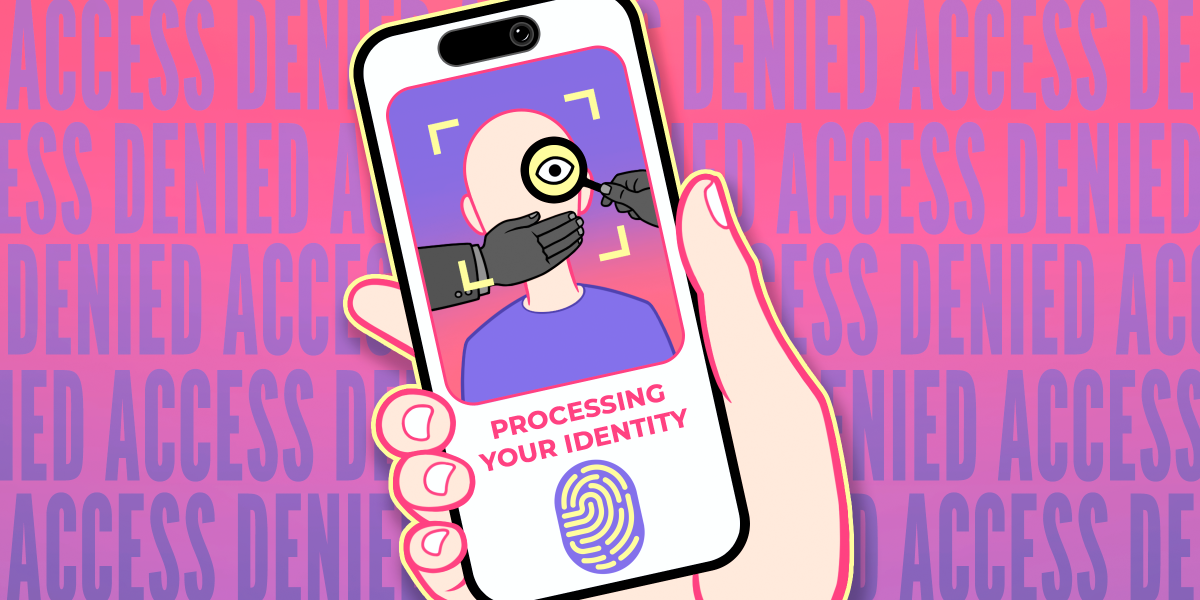
The push to protect minors online is laudable, but the proposed legislative package, spearheaded by the **Kids Online Safety Act (KOSA)**, is drawing sharp criticism from privacy advocates. These bills, also including the **SCREEN Act**, the **CHATBOT Act**, and the **Youth AI Privacy Act**, are seen as potentially creating more problems than they solve, particularly concerning user privacy and freedom of expression.
### KOSA's Age Verification Mandate: A Privacy Paradox
A central tenet of the Senate's **KOSA** bill is the imposition of a "duty of care" on online services, such as social media platforms, to shield young users from content deemed harmful. However, this obligation inherently necessitates that platforms identify which users are minors. Consequently, this provision is expected to pressure a wider array of online services into implementing age verification or age estimation systems.
This approach, rather than enhancing privacy, introduces significant new privacy challenges. Whether companies resort to government ID checks, facial analysis, bank record verification, or other personal data collection methods, all these systems demand users surrender more sensitive information simply to access otherwise lawful online content and services. Such systems also inevitably lead to the creation of new, extensive databases of personal information, which become prime targets for data breaches, misuse, or demands from governmental entities.
Every individual is entitled to online privacy. Critics argue that instead of enacting comprehensive privacy legislation that protects all users, Congress is pushing bills like **KOSA** that compel online services to adopt systems requiring self-identification before individuals can engage, read, or participate online.
### Incentivizing Censorship of Lawful Speech
While certain online content is undeniably unsuitable for minors, the responsibility for navigating the internet typically falls to families, schools, and communities. **KOSA**, however, shifts these decisions away from families and young people—who possess First Amendment rights to speak and access information—and empowers government officials to dictate how online services manage lawful speech.
By granting elected state attorneys general the authority to enforce **KOSA**, the bill effectively allows these officials, rather than individual families, to determine what constitutes appropriate online content for teenagers. More concerning is the likely outcome: platforms will limit what both minors and adults can see, preemptively shutting down potentially controversial forums to avoid legal repercussions from government bureaucrats.
The latest iteration of **KOSA** retains a broad "duty of care" that obligates platforms to mitigate a wide spectrum of alleged harms to minors. Regardless of any disclaimers or exceptions within the bill, the practical effect remains consistent: when platforms face liability for content that is later linked to harms like anxiety, eating disorders, or substance abuse, the safest and most expedient response is to remove lawful speech or entirely close down forums discussing these topics.
This potential liability may lead online services to either remove speech before a young person can encounter it or block minors' access altogether. This could inadvertently include forums designed to help individuals find community and recovery resources for the very harms listed in the bill, such as gambling and drug addiction. In its attempt to protect young people, **KOSA** risks isolating them from crucial support networks.
### Congress Urged to Reject KOSA
Minors, like adults, deserve robust online privacy protections. However, **KOSA** moves in the opposite direction by promoting more **age verification** and increasing legal pressure on platforms to monitor and restrict lawful speech.
The Senate Commerce Committee is urged to reject **KOSA** and its associated legislative package. Instead, advocates call for comprehensive privacy legislation that safeguards everyone, not just minors, without compromising privacy, security, or fundamental free expression.