Meta's Age Verification Settlement: A Pyrrhic Victory for Privacy?
A recent settlement between **Meta** and 52 U.S. state attorneys general mandates new age verification measures across **Instagram** and **Facebook**. While ostensibly aimed at protecting minors, critics argue the agreement introduces pervasive age assurance technology, potentially eroding privacy for all users and increasing **Meta**'s data collection practices.
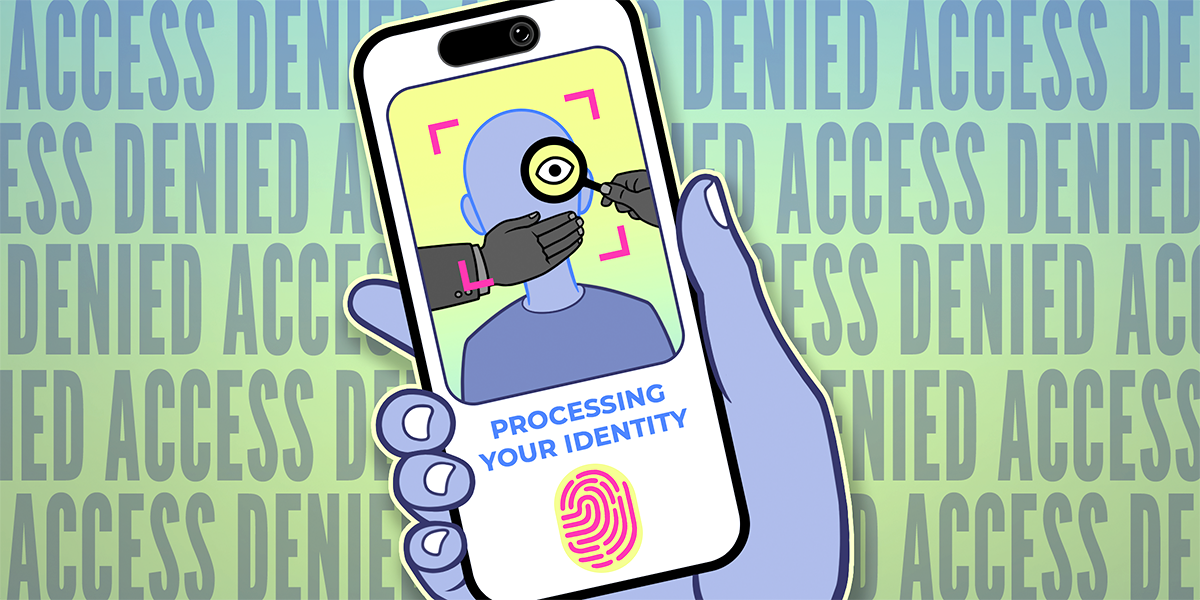
A new settlement between **Meta** and 52 U.S. state attorneys general is poised to reshape how users interact with **Instagram** and **Facebook**, particularly for minors. While framed as a win for child safety, the agreement has sparked concerns among privacy advocates, who argue it embeds flawed age assurance technology and expands **Meta**'s surveillance capabilities.
### Age Gates and Estimation Technology Become Law
The settlement legally mandates age gates on **Instagram** and **Facebook**, a significant shift from **Meta**'s prior self-attestation model. Crucially, these gates will now be enforced by age assurance technology, a move that critics, including the **Electronic Frontier Foundation (EFF)**, have long warned against. This technology, whether commercially available or proprietary to **Meta**, will apply to all users within the settling states and territories.
**Meta** has committed to applying one or more age assurance methods to each user within one year. These methods will categorize users into three age buckets: 18+, 13-17 (Teen User), and under-13. Users determined to be under 13 will have their accounts terminated, while those aged 13-17 will be subject to new restrictions.
New users will have a two-week window to undergo age estimation. Failure to comply will result in default classification as a Teen User, even for individuals who self-identify as adults. The implications for existing users who decline age estimation remain less clear but suggest a broader application of these new rules.
### Accuracy Concerns and False Positives
The settlement outlines specific accuracy standards for age assurance methods, focusing on false positive rates for minors. Within two years, commercially available methods must achieve a false positive rate of no more than 10% for ages 16-17 and 3% for ages 13-15. Proprietary **Meta** methods have slightly higher initial thresholds, reducing to 10% for 16-17 and 5% for 13-15 within two years.
Notably, the agreement does not specify a limit for false negatives – instances where an adult is wrongly identified as a minor. This omission raises concerns about adult users being erroneously categorized as 'Teen Users' and subjected to unnecessary restrictions. While an appeals process for misidentified users is mandated, the overall emphasis appears to be on preventing minors from accessing age-inappropriate content, potentially at the expense of adult user autonomy.
### Enhanced Surveillance and Parental Controls
Beyond age verification, the settlement introduces several provisions that could increase **Meta**'s data collection and surveillance activities. **Meta** is required to implement measures to discourage circumvention of age estimation, including limits on attempts and, significantly, "proactive monitoring" of adult accounts. This means **Meta** will actively scrutinize user conduct to identify individuals who may have circumvented age assurance and require them to undergo additional verification.
The settlement also empowers parents with extensive control over their teens' online experiences. While seemingly beneficial, this comes with a trade-off: parents will gain access to a significant amount of information about their child's online community and usage. Critics argue this further entrenches **Meta**'s surveillance capitalism model, compelling the platform to collect and retain more data about its younger users, rather than reducing it.
Furthermore, the attorneys general are seemingly empowered to enforce **Meta**'s content restrictions on "age-inappropriate content." This raises concerns given **Meta**'s historical struggles in administering such categories without inadvertently censoring information related to sexuality, sexual and reproductive healthcare, and abortion medication.
### The Broader Impact on Privacy
The **EFF** and other privacy advocates contend that this settlement represents a detrimental deal for all internet users. The widespread implementation of age estimation technology poses a serious threat to online anonymity and privacy. For adult users, the agreement offers no direct benefits in terms of enhanced privacy protections or greater control over their accounts. Instead, it seems to solidify **Meta**'s role in collecting and analyzing user data, potentially for law enforcement purposes by the attorneys general themselves.
While the settlement does address obligations under the **Children's Online Privacy Protection Act (COPPA)** for users under 13 – primarily requiring **Meta** to detect and delete such accounts – the broader implications for users aged 13 and above, and indeed all users, are a cause for concern. The mandate for pervasive age verification and increased monitoring could fundamentally alter the online experience, prioritizing age-gating over user privacy and data minimization.