North Carolina Ports Hit by Cyberattack, Forcing Manual Operations
A recent cyber incident has disrupted operations at **North Carolina Ports**, forcing a shift to manual processes across its three key locations. The attack, attributed to an "outside actor or group," highlights the ongoing vulnerability of critical infrastructure to sophisticated digital threats. While systems are being restored, the event underscores the urgent need for enhanced cybersecurity measures in the maritime sector.
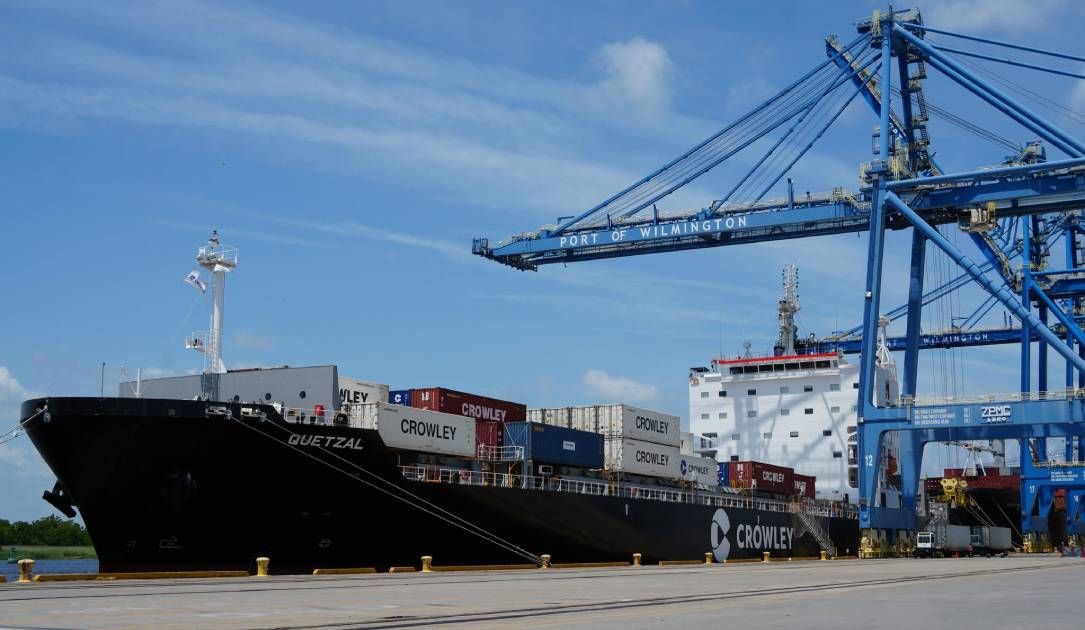
On Tuesday, **North Carolina Ports** experienced a cybersecurity incident that compelled a transition to manual operations across its facilities in Wilmington, Morehead City, and Charlotte. The ports, responsible for managing over 4 million tons of cargo annually, confirmed that their IT system was "hacked by an outside actor or group."
In response, the organization activated its contingency plan and engaged with multiple state agencies and the **U.S. Coast Guard**.
"The breach has been contained, and we are now in the recovery process," a spokesperson for **North Carolina Ports** told Recorded Future News. Despite the disruption, port facilities are maintaining a normal operating schedule, though all operations are currently being processed manually.
An external forensics team is collaborating with the internal IT department to assess the damage and restore affected systems. The spokesperson did not comment on whether the incident involved a ransomware attack.
A notice on the **North Carolina Ports** website advises of potential delays, even as gates at all three ports are expected to operate normally.
### A Growing Trend in Critical Infrastructure Attacks
This incident is not isolated. Ports in the U.S., Europe, and Asia have become recurring targets for ransomware gangs over the past five years, coinciding with their increasing reliance on digital operations. Notably, in 2024, the **Port of Seattle** refused to pay a ransom following a cyberattack that impacted both the city's airport and seaport.
### Calls for Modernization
The vulnerability of critical infrastructure has drawn attention from policymakers. On Wednesday, Senator **Tom Cotton** (R-Ark.) addressed a letter to Treasury Secretary **Scott Bessent**, urging investment in and modernization of American operational technology (OT).
Senator Cotton emphasized the critical state of this technology, stating, "This technology is underfunded and outdated, leaving vital infrastructure like water systems, power facilities, and industrial plants, particularly in rural states like Arkansas, vulnerable to cyberattacks by our adversaries."
He concluded, "Attacks on civilian infrastructure have become a routine instrument of modern warfare, and American operational technology is a target."