Norway Eyes Social Media Ban for Under-16s: A Growing Trend in Europe
Norway's Prime Minister is pushing for a bill to ban social media use for children under 16, holding tech companies accountable for age verification. This move aligns with a growing trend across Europe to restrict social media access for young teens, citing concerns over their well-being and development.
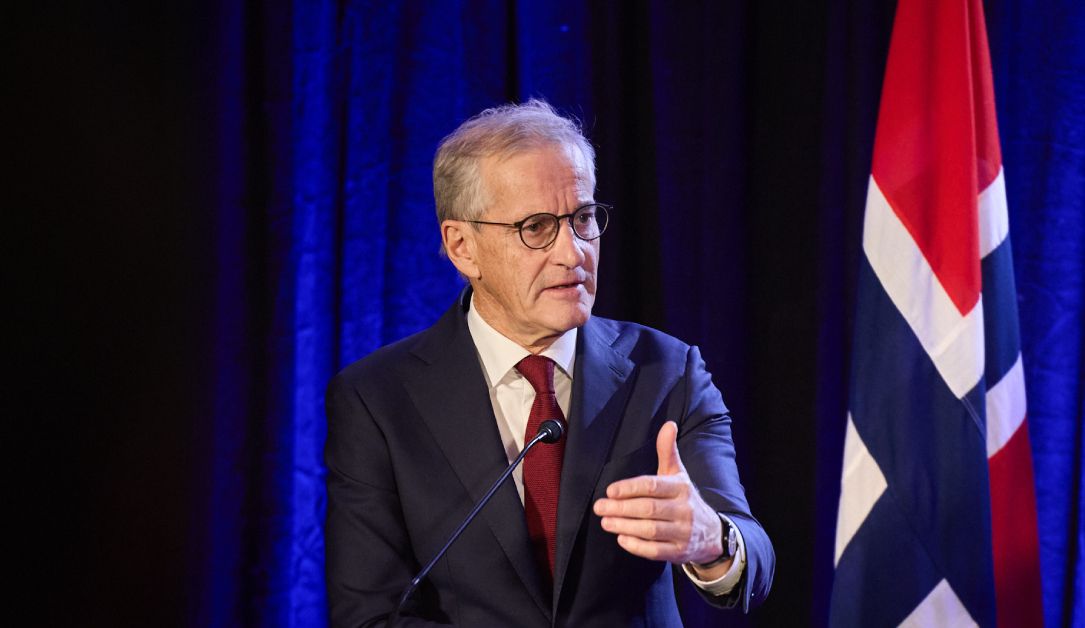
Norway's Prime Minister, **Jonas Gahr Støre**, announced plans on Friday to introduce legislation that would prohibit children under the age of 16 from using social media platforms. The bill, expected to be released by the end of the year, aims to protect children from the potential harms of social media.
### Age Verification and Accountability
The proposed bill will include provisions to hold major tech companies accountable for implementing effective age verification tools to prevent underage users from accessing their platforms. The Norwegian government suggests allowing children to start using social media on January 1st of the year they turn 16.
### European Trend Towards Restrictions
Norway's initiative reflects a broader trend in Europe, with several countries considering or implementing similar restrictions on social media use for young people.
Earlier this month, the French Senate passed a bill to ban social media for children under 15. Final details still need negotiation with the French National Assembly. French President **Emmanuel Macron** has voiced strong support, emphasizing that children's emotions should not be exploited by tech platforms.
Spain and the Netherlands have also expressed intentions to implement similar bans for children aged 15 and under. The UK is currently conducting a pilot program to assess the impact of social media restrictions on young teens.
### Concerns and Justifications
Prime Minister Støre, a member of the Labour party, emphasized the importance of allowing children to have a childhood free from the pressures of social media. "We are introducing this legislation because we want a childhood where children get to be children," Støre stated. "Play, friendships, and everyday life must not be taken over by algorithms and screens. This is an important measure to safeguard children’s digital lives.”
While the bill's passage is not guaranteed due to the Labour party's lack of majority in the Norwegian parliament, the proposal underscores growing concerns about the impact of social media on children's mental health and development across Europe.