NSA Hosts Secretive TAO Hacking Unit Reunion, Signaling New Recruitment Push
The **National Security Agency (NSA)** recently hosted a first-of-its-kind reunion for alumni of its elite hacking division, **Tailored Access Operations (TAO)**. This unconventional outreach aims to celebrate the unit's rebranding and re-engage former members, potentially bolstering its ranks amid a competitive cybersecurity landscape. The event highlights a broader effort by the **NSA** to adapt its public image and recruitment strategies.
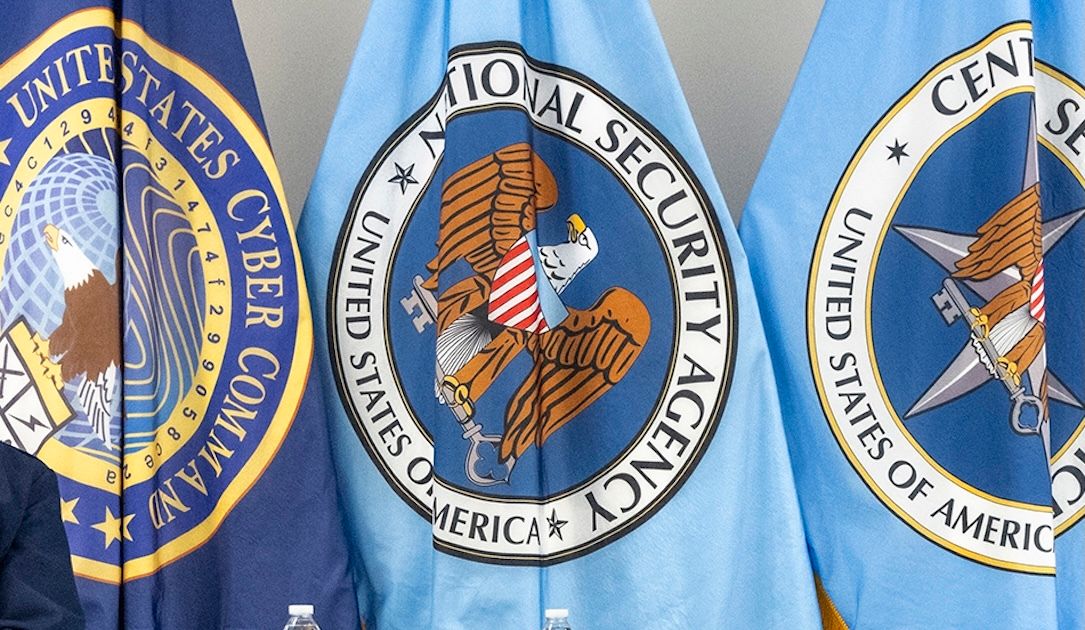
# NSA Seeks to Rekindle 'TAO' Spirit with Alumni Homecoming
In a surprising move, the **National Security Agency (NSA)** recently opened its doors to hundreds of former members of its highly secretive **Tailored Access Operations (TAO)** unit. The reunion, described as a first-of-its-kind event, celebrated the division's recent rebranding and served as a unique recruitment drive, urging former operatives to consider rejoining the intelligence agency at Fort Meade, Maryland.
## A New Era of Outreach for the NSA
The gathering is the latest in a series of unconventional public engagement efforts by the **NSA**, an agency whose very existence was once a closely guarded secret. In recent years, the agency has prioritized building public trust, establishing a Cybersecurity Directorate in 2019 to share insights on foreign digital threats with the private sector and other federal agencies. This year, the **NSA** even launched its own podcast, featuring former officers discussing their roles in significant historical operations.
While an invitation-only reunion for a covert hacking unit doesn't entirely pull the **NSA** out of the shadows, it signifies a willingness to experiment with unorthodox recruitment, especially for a group as critical and clandestine as **TAO**. This unit is responsible for infiltrating foreign computer systems as part of U.S. covert operations, often deploying long-term surveillance software to collect vital intelligence.
## The Driving Force Behind the Reunion
The reunion has been in the works since spring and was largely spearheaded by **NSA Deputy Director Tim Kosiba**. Kosiba, a **TAO** alumnus and former technical director for the unit, has made revitalizing the organization a priority since assuming the No. 2 position at the **NSA** earlier this year. Attendees were reportedly offered a tour of the new **TAO** building and received a direct pitch from Kosiba to return to the agency.
## Unconventional Organization and Communication
The organization of the homecoming itself was non-traditional, raising some eyebrows among participants regarding the agency's approach to drawing attention to the event. Initially, the **NSA** attempted to coordinate through the National Cryptologic Foundation, a non-profit organization separate from the spy agency. Ultimately, an invitation-only **Signal** group chat, dubbed “Terminated Async Operations,” was created to connect members and promote the event.
The **Signal** group quickly swelled to hundreds of former hackers, developers, and analysts, reminiscing about past operations – albeit vaguely and discreetly. One former **TAO** employee commented on the chat's potential to raise internal security concerns, despite participants' careful avoidance of classified information. The chat included notable figures such as previous **TAO** technical directors, at least one former head of the **NSA** Cyber Directorate, and operators who later joined **Project Maven**, the Defense Department’s high-profile AI initiative.
While **Signal** is a common communication tool within the U.S. clandestine community, its use has drawn scrutiny in the past, particularly during the second Trump administration, when a Pentagon inspector general's report criticized the use of unapproved messaging apps for sensitive information.
## A Bid to Return to TAO's Heyday?
**TAO** dates back to the early 1990s and cultivated a distinct culture within the **NSA**. Its mission to breach foreign computer networks set its members apart, often aligning them more closely with military operations than the agency's traditional electronic eavesdropping. **TAO**'s coding experts were instrumental in developing sophisticated digital weapons like **Stuxnet**.
The unit grew significantly, from several hundred to over 2,000 personnel, before being reorganized and renamed Computer Network Operations about a decade ago. The recent reshuffle has reportedly undone some of these changes, signaling a return to the original **TAO** designation and its operational focus.
The unit's high operational tempo has historically led to a higher turnover rate compared to the rest of the **NSA**. This churn was exacerbated last year when the **NSA** lost approximately 2,100 people, or 8 percent of its workforce, as part of the Trump administration’s efforts to reduce the federal government. While the exact number of **TAO** personnel is classified, former officials indicate that dozens of individuals from the elite group departed.
This reunion could be a strategic move to replenish **TAO**'s ranks, particularly by re-engaging former employees who still possess active clearances and may be working as contractors at Fort Meade. This approach could streamline the recruitment process, bypassing the rigorous and time-consuming security screening and operator certification that can take over a year to complete for new recruits. The pitches, according to former employees, are likely coming because the **NSA** is in need of talent.