Russia Escalates VPN Crackdown, Removing Apps from Apple's App Store
Developers of Virtual Private Network (VPN) applications are reporting a renewed removal of their products from **Apple**'s App Store in Russia. This aggressive move further restricts online privacy and access to independent information for Russian citizens, highlighting a growing global trend of governments targeting essential privacy tools.
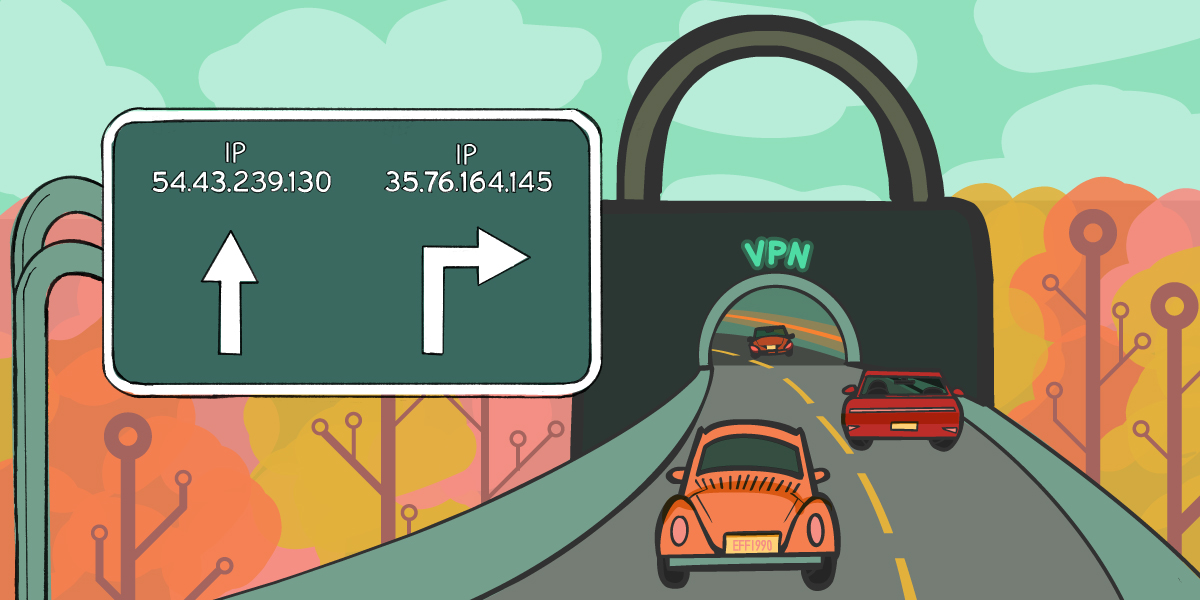
The latest reports indicate a significant escalation in Russia's efforts to control online discourse. VPN providers are once again seeing their apps pulled from the **Apple App Store** within the country, a tactic that severely limits users' ability to bypass state censorship and protect their digital privacy.
VPNs serve as a critical defense against surveillance and censorship, masking a user's true IP address and location. This functionality allows individuals to access information banned by their government and communicate more freely, making them a cornerstone of digital freedom.
### A Pattern of Digital Control
This recent action is not an isolated incident but rather the latest in a series of steps taken by the Russian government to tighten its grip on online activities. In 2024, the **Moscow Times** reported that **Roskomnadzor**, Russia’s state media watchdog, initiated a similar crackdown on VPN apps on the **Apple App Store**, following bans on Western social media platforms and opposition media sites. This was further compounded in 2025 when Russia reportedly blocked **Apple**'s **FaceTime** software.
Adding to these concerns, **Bloomberg** recently reported that the Russian government has officially added both **Apple** and **Microsoft** to its state surveillance registry. This designation grants **Roskomnadzor** the authority to access local users' correspondence and compels these tech giants to potentially surrender customer information to Russian security services upon demand.
### Shrinking Digital Options for Russians
The combined effect of these measures leaves people in Russia with increasingly limited options for private online communication and access to non-state-sanctioned information. As government control encroaches further into their digital devices, the space for independent thought and expression diminishes.
### A Global Concern
While Russia's actions present an extreme example, the targeting of VPNs is a troubling trend observed in other nations as well. Several states in the U.S., for instance, have proposed banning VPNs, often in an attempt to enforce age-gating laws or restrict access to certain content. Organizations like the **EFF (Electronic Frontier Foundation)** have vociferously criticized these proposals, emphasizing that such bans represent a dangerous step towards broader internet censorship and undermine user control.
Attacks on online speech and privacy, regardless of their origin, are deeply concerning. What some in power may perceive as a 'loophole' in their restrictive laws is, in reality, a fundamental expression of user autonomy. Cybersecurity professionals and privacy advocates must remain vigilant and vocal against these efforts to erode digital freedoms.