Russian Data Centers Bolster Defenses Amid Escalating Drone Threats and New Regulations
Russian data center operators are significantly increasing investments in both physical and cybersecurity measures. This move comes in response to heightened security requirements from Moscow and the escalating threat of Ukrainian drone attacks, particularly in critical infrastructure sectors.
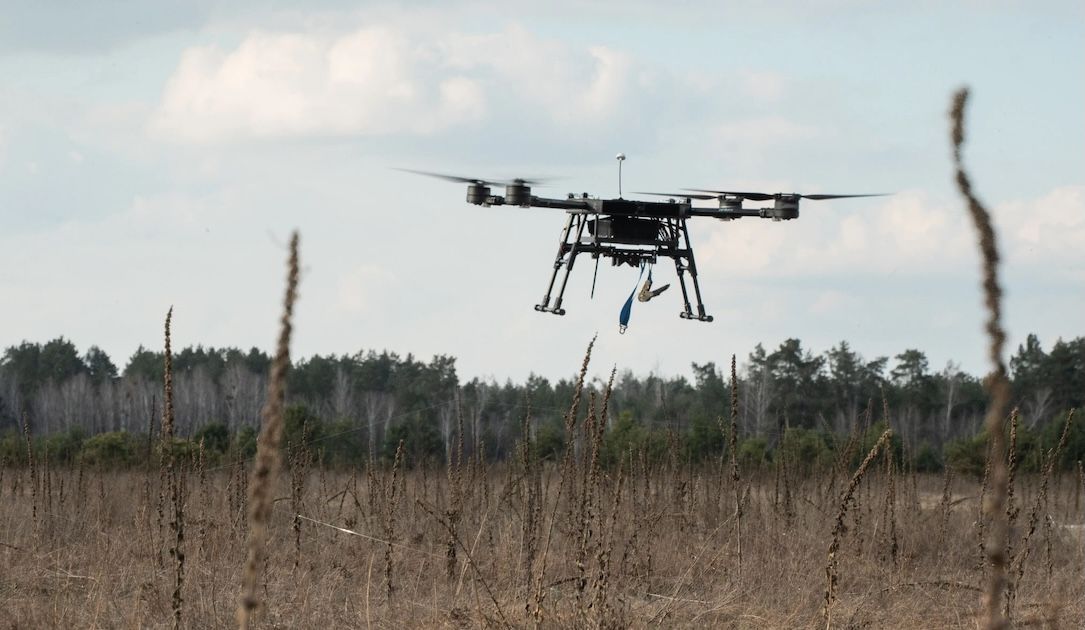
Russian data center operators are reportedly preparing for substantial expenditures on physical and digital defenses. This surge in security spending is driven by tightened security requirements from Moscow for critical infrastructure and the continuous threat of Ukrainian drone attacks.
### New Decree Mandates Enhanced Protection
A new decree, signed by President **Vladimir Putin** in late August, empowers the government to temporarily seize control of critical infrastructure if operators fail to adequately protect their facilities, including against drone assaults. This information was reported by the Russian newspaper **Kommersant** earlier this week.
The decree spans a wide array of critical infrastructure sectors, encompassing energy, telecommunications, transportation, and utilities. Russian media reports indicate that these new regulations specifically impact data centers, especially those hosting systems for government agencies, banks, and major service providers.
**Nikita Tsaplin**, chief executive of Russian hosting provider **RUVDS**, informed Kommersant that some data centers have already begun fortifying defenses around external engineering equipment.
### Geographical Vulnerabilities and Escalating Drone Operations
The new requirements pose a particular challenge due to the concentration of much of Russia's data center capacity in areas increasingly exposed to Ukrainian drone operations, primarily around Moscow and St. Petersburg. As of February, Russia had 181 data centers, according to data from Russian brokerage **BCS**.
Industry experts note that data centers were not traditionally designed to withstand aerial attacks. However, the increasing sophistication of drones has raised significant concerns.
As early as 2023, Russian media reported that some companies were considering relocating data from facilities near Moscow to locations east of the Ural Mountains, partly due to drone attacks on the capital. Since then, Ukraine has dramatically expanded its long-range drone operations, striking airports, oil refineries, industrial facilities, and warehouses deep inside Russia.
Ukrainian President **Volodymyr Zelensky** stated earlier this week that Kyiv intends to further intensify this pressure, aiming to "close" Russia's skies and warning that drones will penetrate "on a scale that has to be taken into account."
Russia has also targeted Ukrainian data centers. A strike in July damaged a major data center in Kyiv, forcing several local internet providers to fully or partially suspend operations. Ukrainian data centers have also faced cyberattacks; in January 2024, a facility serving several state-owned companies reported that an attack disrupted its customers' operations.
### Cybersecurity Investments and Rising Costs
Russian data center operators also told Kommersant they plan to strengthen their cybersecurity postures. This includes establishing backup communications, improving protection against DDoS attacks, and better managing software vulnerabilities.
These significant investments in both physical and digital security are expected to increase operational costs for data centers, which could ultimately be passed on to customers.
"For the industry, this will undoubtedly mean a significant increase in capital expenditures, which in the long term will inevitably affect the cost of IT infrastructure for end users," Tsaplin commented.
### Experimental Defenses and Their Limitations
Russia has been experimenting with various methods to protect critical infrastructure from Ukrainian drones, including anti-drone nets, metal barriers, and even smoke screens. In August, authorities reportedly began installing metal frameworks for anti-drone netting around electrical infrastructure in Moscow, including a major substation in the eastern part of the capital.
However, a document leaked from Russian oil giant **Rosneft** earlier this year acknowledged the limitations of many of these defenses, stating they could not guarantee that facilities would remain safe from explosions or debris.
Recently, Zelensky reported that a drone had struck the headquarters of the **Security Service of Ukraine (SBU)** in the heart of Kyiv.