The SCREEN Act: A Digital Identity Crisis for Internet Users
The proposed **SCREEN Act** in the U.S. Senate aims to mandate age verification for any online service hosting sexually explicit content, a move critics warn could obliterate user anonymity, compromise privacy, and undermine essential security tools like VPNs. This sweeping legislation extends far beyond adult content sites, potentially impacting major streaming and social media platforms, forcing millions of adults to surrender their personal data.
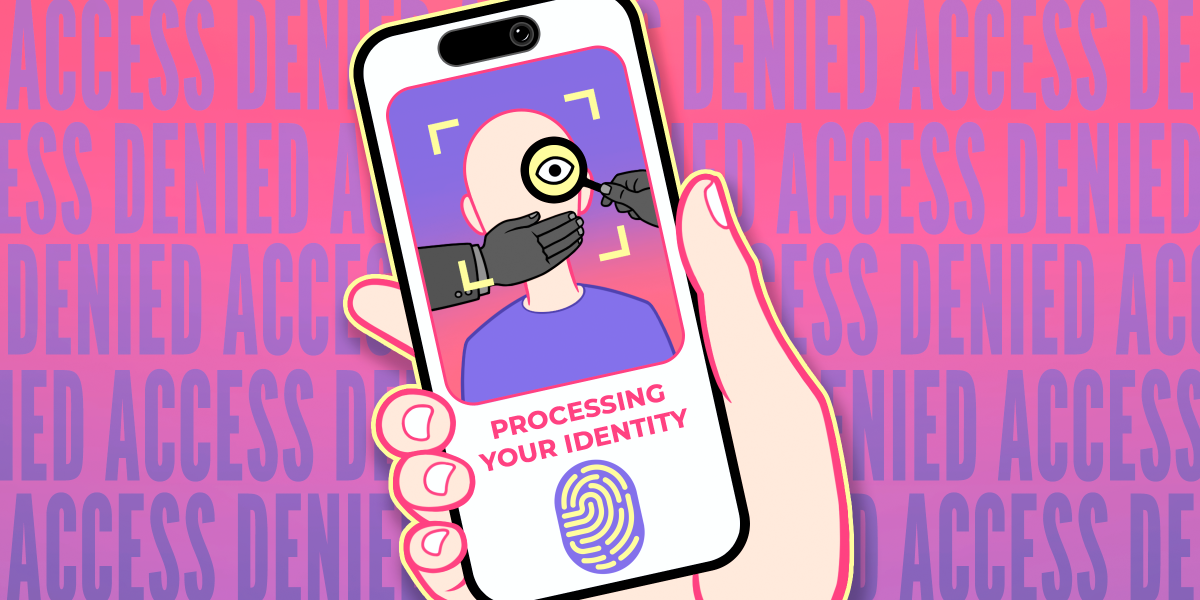
The **Senate Commerce Committee** is currently reviewing **S. 737**, known as the **SCREEN Act**, a comprehensive age-verification bill. If passed, this legislation would compel online services to verify users' ages before granting access to any sexually explicit content, a requirement that could force millions of adult internet users to relinquish their anonymity, privacy, and security to access lawful speech.
Unlike many existing state-level age-verification laws, the **SCREEN Act** lacks a specific threshold for the amount of sexually explicit content a website must host. This means the bill could apply to virtually any service, including streaming platforms like **Netflix** and social media giants such as **Reddit**, **Discord**, or **Bluesky**, if they host even a single piece of adult content.
The bill explicitly states that a simple user attestation of being an adult will not suffice. This mandates the use of real-identity-tied age verification methods. This process is fundamentally different and far more intrusive than a physical ID check. In the digital realm, a third-party age-verification service would capture and store personal information in a database for an unspecified duration, raising significant privacy concerns.
### A Data Security Nightmare
The **SCREEN Act** includes provisions requiring services to take "reasonable steps" to protect collected data and not retain it "longer than necessary." However, these protections are criticized as weak, imposing no meaningful limits on data collection, use, or retention. This could allow third-party verification services to collect excessive personal information and use it for various purposes, as long as they deem their actions "reasonable."
This open-ended data retention policy creates substantial security and privacy risks, as users are compelled to hand over sensitive information with minimal safeguards.
### The SCREEN Act Attacks Your Right To Use VPNs
Beyond age verification, the **SCREEN Act** directly targets users and providers of Virtual Private Networks (**VPNs**). The bill requires covered websites to verify ages based on IP addresses, specifically mandating age verification for traffic originating from known VPN addresses, unless the user is determined to be outside the United States.
This provision actively discourages the use of VPNs and proxy servers, tools relied upon by millions for legitimate purposes. These include protecting personal privacy, securing public Wi-Fi connections, safeguarding journalists and activists, and preventing data tracking. VPNs are crucial for masking a user's real location, routing internet traffic through a different server to enhance privacy. Treating their use as suspect and forcing users to identify themselves undermines a fundamental privacy and security tool.
The **SCREEN Act** introduces onerous age-verification rules that threaten to block adults from accessing lawful speech, curtail anonymity, and jeopardize the data security and privacy of all internet users.