TikTok Removes Covert Influence Networks Targeting Hungarian Elections
**TikTok** has removed multiple covert influence networks attempting to sway the outcome of Hungary's upcoming parliamentary elections. The networks used fake accounts to post and amplify political content aimed at Hungarian users, highlighting the growing concerns about disinformation campaigns targeting elections worldwide.
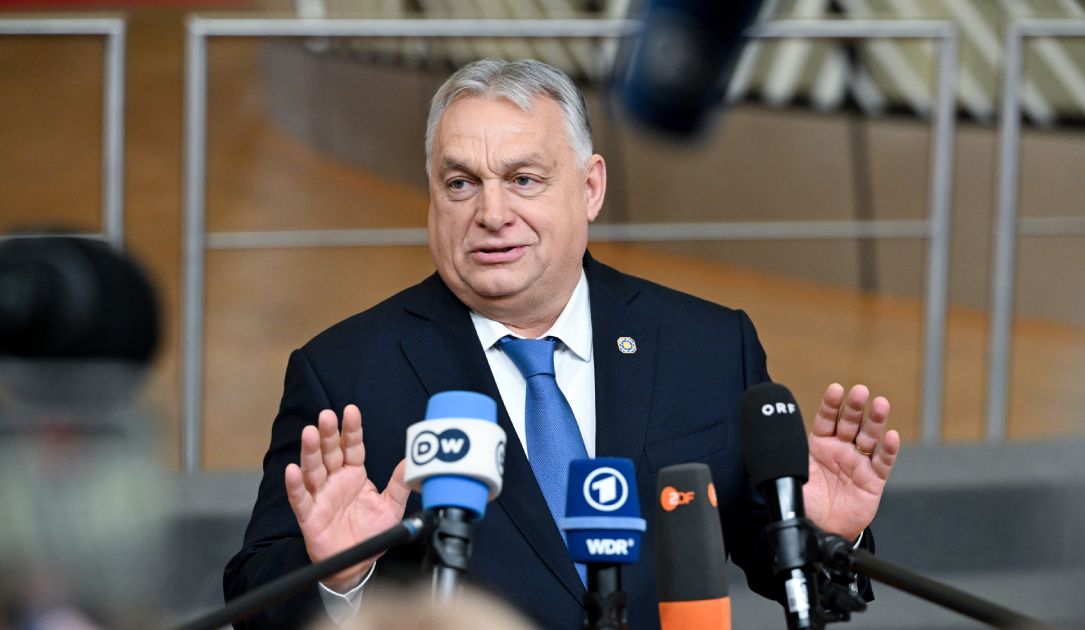
Days before Hungary's parliamentary elections, **TikTok** announced it had dismantled covert networks designed to influence the vote. The social media giant stated that these networks utilized fake accounts to disseminate and amplify political content targeting Hungarian users.
**Targets of Disinformation**
The content included material critical of opposition leader **Péter Magyar** and his **Tisza Party**, as well as content targeting Prime Minister **Viktor Orbán’s** ruling **Fidesz** party. **TikTok** reported removing hundreds of impersonating accounts and thousands of videos that violated its election policies.
Since December, **TikTok** has banned over 300 accounts for impersonating Hungarian election candidates and elected officials. They also took action against six covert influence networks. The majority of these networks, according to **TikTok**, spread narratives favorable to the **Fidesz** political party, while smaller networks targeted Hungarian audiences with narratives critical of **Fidesz** and **Orbán**.
**Election Context**
These disclosures come as campaigning enters its final phase. Analysts say this election could reshape Hungary’s position within the **European Union** and influence Western unity over Russia’s war in Ukraine.
**Orbán**, in power since 2010, faces a significant electoral challenge. **Magyar**, a former **Fidesz** insider, has garnered support among opposition voters and leads in some pre-election polls. More than a quarter of voters remain undecided.
**Disinformation Tactics**
Hungarian fact-checkers and researchers have observed the widespread circulation of misleading or fabricated political content, often targeting **Magyar**. **Lakmusz**, a fact-checking outlet, detailed false narratives about the opposition leader appearing on fake websites impersonating legitimate sources, including claims he plans a “coup” if defeated and that his party would reinstate compulsory military service.
**Possible Russian Influence**
**Lakmusz** noted similarities to earlier influence operations linked to Russian actors, including coordinated messaging and the use of deceptive online infrastructure. However, they did not present direct evidence that the current activity was directed by the Kremlin.
**Targeting the Tisza Party**
Separately, **Direkt36** reported a “well-organized operation” targeting the **Tisza Party’s** IT systems. Individuals connected to the party attempted to expose the activity, after which authorities opened a criminal investigation into those individuals and carried out searches at the homes of IT specialists assisting the party.
Hungarian authorities have not publicly detailed the full basis for the investigation. Government spokesperson **Zoltán Kovács** claimed on social media that Ukrainian intelligence, in cooperation with members of the opposition and a journalist, was responsible, without providing evidence. The IT Army of Ukraine denied all allegations of involvement.
**Accusations Against Social Media Platforms**
**Fidesz** party campaign chief **Balázs Orbán** has accused social media platforms of suppressing campaign materials, alleging “some users have been unable to like Fidesz-related content on **Facebook** for the past few days,” as reported by Euro News. Fact checkers have disputed his claims.
**Other Influence Activity**
Independent outlet **Telex** identified “troll farm” networks supporting **Fidesz**, while domestic groups critical of **Orbán** said they had tracked AI-generated content targeting the opposition.
A spokesperson for **Meta** stated that it had imposed “no restrictions on the Prime Minister’s accounts, nor have any posts been removed. Our Community Standards and policies apply equally to everybody and we have systems in place to detect any coordinated efforts to abuse our reporting systems.”
**Foreign Influence Allegations**
During a visit to Budapest, U.S. Vice President **JD Vance** accused the **European Union** of interfering in Hungary’s election and voiced support for **Orbán**, drawing criticism from opposition figures.
Hungarian officials and pro-government voices have accused EU institutions and Western actors of attempting to shape Hungary’s political direction.
**Hungary and Russia**
Hungary’s relationship with Russia has become a central issue. **Orbán** has maintained closer political and economic ties with Moscow than most EU leaders, including long-term energy agreements, and has opposed some EU measures supporting Ukraine.
Recent reporting indicates Hungary and Russia agreed on a 12-point plan covering areas including energy, education and cultural ties, underscoring the strategic importance both sides place on the relationship, according to **Politico**.
The New York Times reported that Orbán’s stance on Russia and the war in Ukraine has become a defining dividing line in the campaign.
Hungarians go to the polls on Sunday.