ToxicPanda 2.0: Android Malware Evolves with VPN Abuse and ADB Automation
The **ToxicPanda** Android malware has undergone a significant evolution, now capable of abusing VPN permissions to block Google Play services and automate **Android Debug Bridge** (**ADB**) for elevated shell access. This sophisticated update expands its targeting to hundreds of financial applications across 16 countries, posing a severe threat to mobile security and user privacy.

Mobile security researchers at **Zimperium** have unveiled a new, highly advanced iteration of the **ToxicPanda** Android malware, dubbed **ToxicPanda 2.0**. This updated variant showcases an alarming expansion of capabilities, including novel methods for evading detection and achieving deep system control.
### VPN Abuse for Network Control
One of the most critical new features allows **ToxicPanda 2.0** to request VPN service permissions. Once granted, the malware establishes a local interface, enabling it to intercept and control all network traffic. This network-level manipulation permits **ToxicPanda** to effectively block communications to **Google Play** and **Google Play Services**.
This control is instrumental in circumventing various security mechanisms, such as app verifications, updates, **Play Protect** communications, and legitimate disruptions designed to safeguard users. By isolating the device from Google's security infrastructure, the malware can operate with reduced risk of immediate detection and remediation.
### Multi-Stage Installation and Persistence
After securing VPN permissions, **ToxicPanda 2.0** first blocks **Google Play** communications before extracting and installing its primary payload. Subsequently, it requests **Accessibility Service** permissions, a common tactic for Android malware to gain broad control over device interactions.
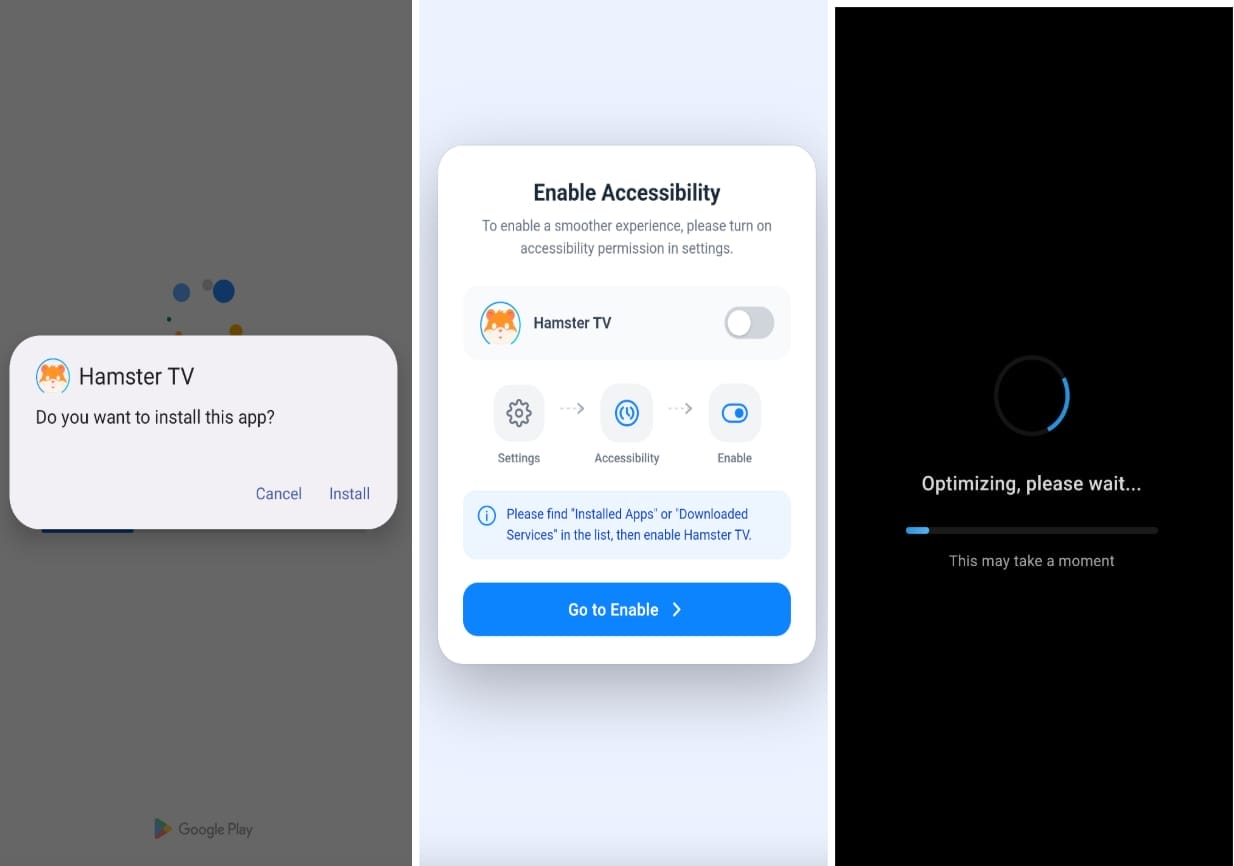
**Zimperium** reports that this sophisticated malware is currently being distributed via **Amazon AWS**-hosted buckets, indicating a robust and adaptable distribution infrastructure.
### Expanded Targeting and Phishing Capabilities
Analysis of **ToxicPanda 2.0** reveals support for an extensive 167 remote commands, significantly enhancing its operational flexibility. The malware now incorporates phishing overlays designed to mimic 349 banking, financial, cryptocurrency, and e-wallet applications across 16 targeted countries. These overlays are engineered to be invisible to the victim, allowing the malware to surreptitiously capture touch inputs and sensitive credentials.
Furthermore, a dedicated PIN-harvesting module targets 140 financial and cryptocurrency apps, with the capability to dynamically update its target list. **ToxicPanda** also spoofs the Android lock screen to capture device PINs, unlocking patterns, and passwords, demonstrating a comprehensive approach to credential theft.
### Covert Operations and Evasion
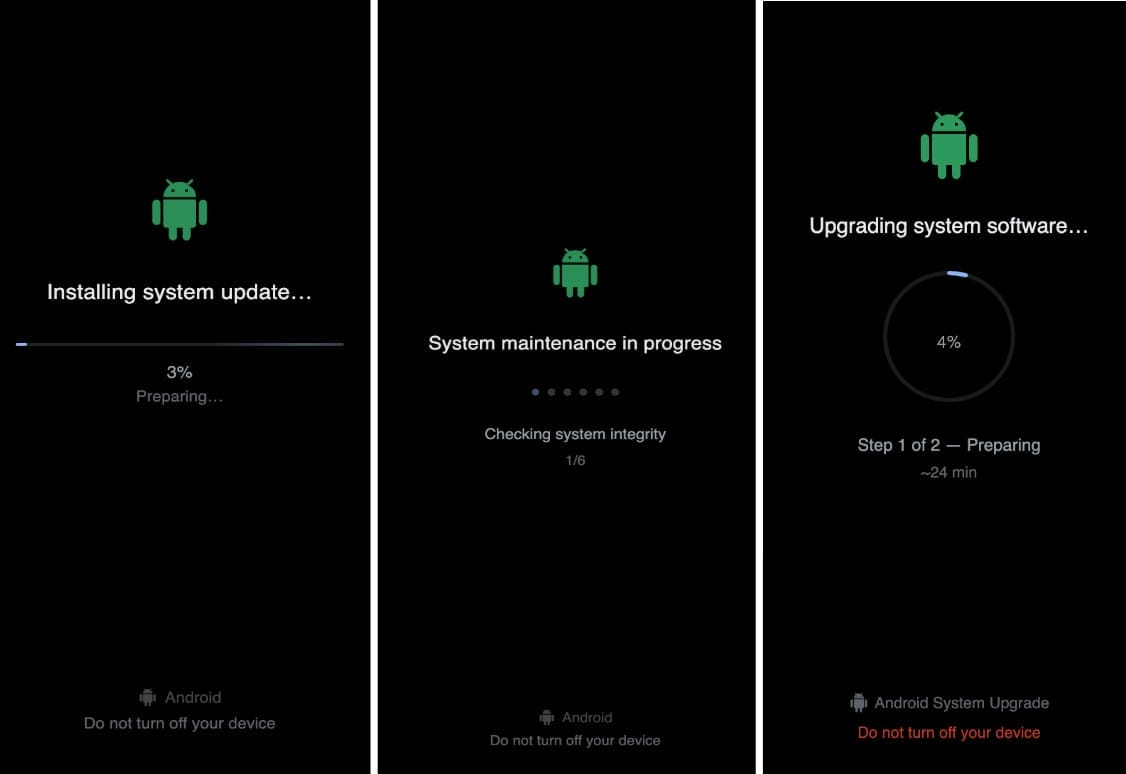
To maintain its clandestine activities, some analyzed samples of **ToxicPanda** employ fake system update screens, effectively masking ongoing malicious operations from the user.
A command identified as 'autoBoot' enables the malware to identify the device manufacturer and launch OEM-specific auto-start or power management settings. This allows **ToxicPanda** to bypass battery consumption protections on devices from manufacturers like **Xiaomi**, **OPPO**, **Vivo**, **Samsung**, and **Huawei**, ensuring its persistence even when background processes are typically terminated.
### Abusing Android Debug Bridge (ADB)
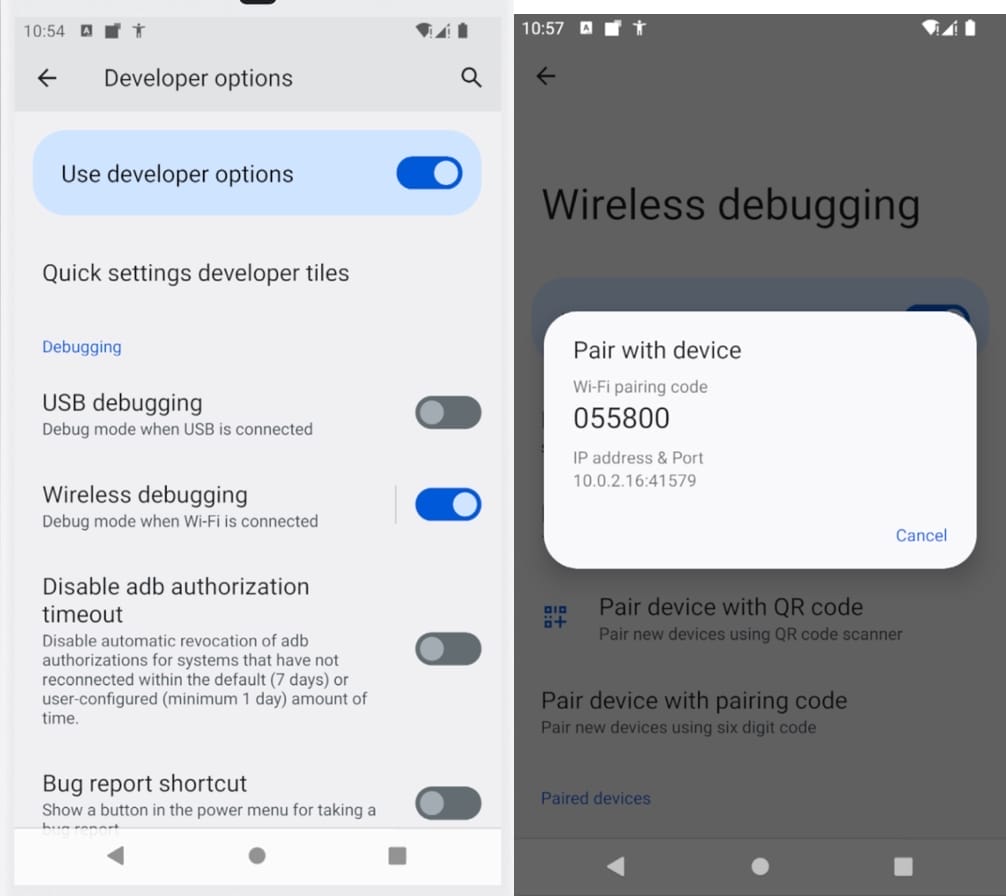
A standout feature of **ToxicPanda 2.0** is its automated abuse of the **Android Debug Bridge** (**ADB**) to gain shell-level access. **ADB**, a command-line tool for executing shell commands on Android devices, gained wireless capabilities in Android 11.
Leveraging **Accessibility Services** permissions, the malware can enable **Developer Options**, activate **Wireless Debugging**, extract the six-digit **ADB** pairing code and port, and subsequently connect to the device’s local **ADB** service.
As **Zimperium** explains, "Once the malware gains shell user permissions, it starts executing high-privilege commands directly through the **ADB** daemon, the malware bypasses standard Android runtime consent prompts to grant itself broad permissions, neutralize OS background restrictions, silently enable critical components, and enforce persistence."
This **Wireless ADB** abuse is an emerging trend in Android malware, with other threat actors, such as those behind the **RedHook** malware, implementing similar mechanisms. **Zimperium** has provided a list of Indicators of Compromise (**IoCs**) for **ToxicPanda 2.0** in their [GitHub repository](https://github.com/Zimperium/IOC/tree/master/2026-08-ToxicPanda).
**IT security professionals and privacy-conscious users are urged to remain vigilant, regularly update their devices, and exercise extreme caution when downloading apps from unofficial sources.**