Ukraine Joins EU Cybersecurity Reserve Amidst Escalating Cyber Warfare
Ukraine has been granted access to the European Union's Cybersecurity Reserve, a crucial move that will allow Kyiv to leverage EU-approved cybersecurity experts during major cyberattacks. This decision not only strengthens Ukraine's cyber defenses against persistent Russian threats but also signifies a deeper integration into the EU's collective security framework.
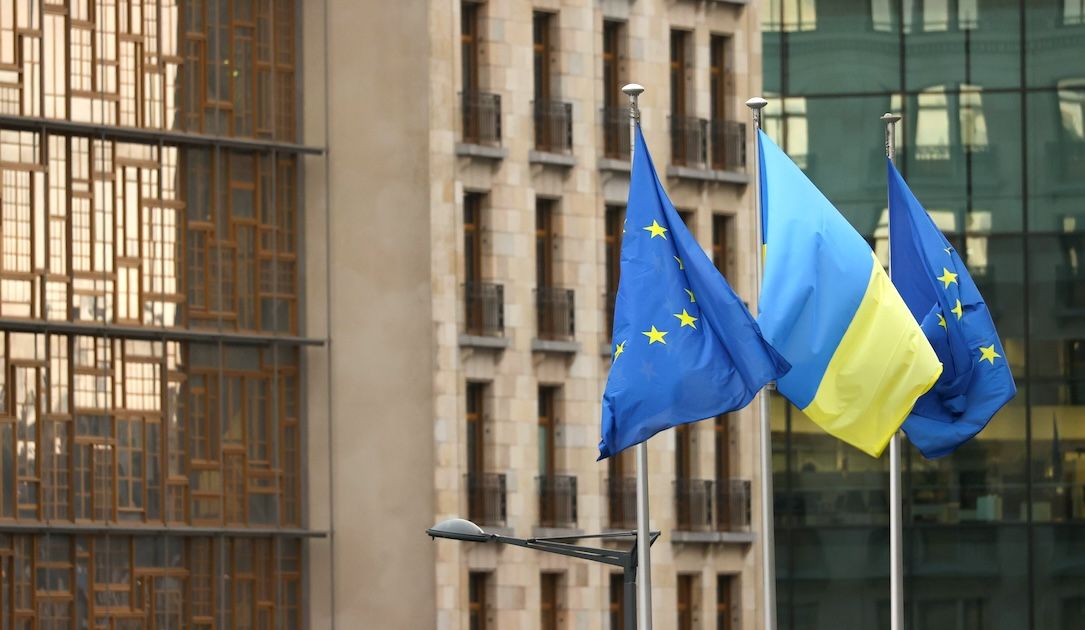
# Ukraine Joins EU Cybersecurity Reserve Amidst Escalating Cyber Warfare
**Kyiv, Ukraine** – In a significant development for European cybersecurity, Ukraine has been granted access to the **European Union's Cybersecurity Reserve**. This strategic move will enable Kyiv to tap into a pool of private cybersecurity companies and experts approved by the EU, providing critical support during large-scale cyber incidents.
## A New Era of Collective Cyber Defense
The **European Commission** officially announced the approval, highlighting Ukraine's participation in the reserve. Managed by the **European Union Agency for Cybersecurity (ENISA)**, the reserve is designed to offer rapid incident response, technical expertise, and recovery assistance to member states and now, select non-EU partners, when their own capabilities are overwhelmed.
Last year, **Moldova** became the first non-EU nation to gain access, a response to the increasing cyber threats and influence operations linked to Moscow.
## Political Significance and Practical Benefits
For Ukraine, which continues to face relentless cyberattacks amidst the ongoing conflict with Russia, this decision holds both profound political significance and practical advantages. Natalia Tkachuk, head of cyber and information security at Ukraine's National Security and Defense Council, emphasized the broader implications, stating, "Ukraine is becoming part of the EU's collective cyber defense mechanism even before obtaining formal EU membership."
This milestone follows the EU member states' decision last week to launch formal accession negotiations with Kyiv, further cementing Ukraine’s path toward joining the bloc.
## Comprehensive Support and Reciprocal Engagement
According to Tkachuk, Ukraine will now be able to officially request emergency European assistance if a cyberattack exceeds the capacity of its own incident response teams. This will facilitate the deployment of specialized experts from across the EU to provide digital forensics, incident response, and system recovery support.
Beyond active attack response, the Cyber Reserve can also assist with post-incident recovery, modernizing systems to strengthen defenses, sharing vital cyber threat intelligence, and improving national cyber incident response capabilities.
The relationship is expected to be reciprocal. Tkachuk noted, "Ukraine is no longer merely a recipient of cybersecurity assistance." Ukrainian agencies already share intelligence on Russian hacking techniques with European partners and actively participate in joint cybercrime investigations and attribution efforts alongside **Europol** and other European authorities.
Years of confronting Russian cyberattacks have significantly bolstered Ukraine's cyber capabilities, equipping its government and private sector with extensive experience in detecting, mitigating, and recovering from major cyber incidents.
Ukraine also anticipates that its own cybersecurity companies will eventually be able to join the Cyber Reserve as trusted service providers under the EU's **Cyber Solidarity Act**, Tkachuk added.
## Deepening Security Cooperation
For Brussels, this move underscores the deepening security cooperation with Kyiv as the country progresses toward eventual EU membership. European Commission Executive Vice President Henna Virkkunen affirmed, "By welcoming Ukraine into the EU Cybersecurity Reserve, we strengthen our collective defenses and reaffirm the principle of solidarity that lies at the heart of Europe's digital future."
The EU has emerged as one of Ukraine's closest cybersecurity partners since Russia's 2022 invasion, providing support through bilateral security agreements and international initiatives such as the **Tallinn Mechanism**.