Ukraine's Prosecutor General Resigns Amidst Allegations of Call Center Bribery Scheme
Ukraine's Prosecutor General, **Ruslan Kravchenko**, has resigned following an investigation into alleged bribery within his office. The probe suggests officials shielded fraudulent call centers from law enforcement in exchange for payments, raising serious questions about corruption at high levels.
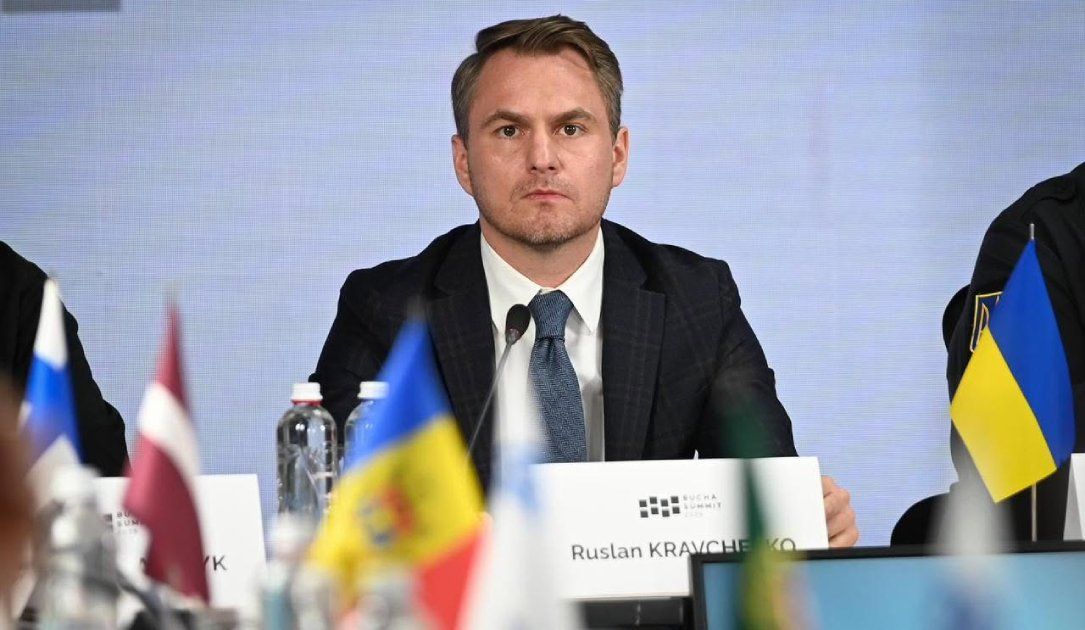
Ukraine's Prosecutor General, **Ruslan Kravchenko**, has stepped down from his position amidst a burgeoning scandal involving alleged bribery and protection of fraudulent call centers. **Kravchenko** announced his resignation, stating it was a "political decision" to prevent his role from being exploited in political confrontations, though he has not been charged and denies involvement.
### Anti-Corruption Agencies Uncover Alleged Scheme
The resignation follows an extensive investigation by Ukraine’s anti-corruption agencies, including the **National Anti-Corruption Bureau (NABU)** and the **Specialized Anti-Corruption Prosecutor’s Office (SAP)**. They describe a sophisticated criminal organization that allegedly operated with the complicity of officials within the Prosecutor General’s Office.
Investigators claim that since mid-2025, officials have been collecting bribes from fraudulent call centers. In return, these centers were supposedly protected from law enforcement disruption, allowing them to target victims both within Ukraine and internationally.
### Key Suspects Identified
**NABU** has named five individuals as suspects in the case. Among them is **Serhii Kropyva**, a senior official in the Prosecutor General’s Office, who has been detained. **SAP** described **Kropyva** as a "trusted associate" of **Kravchenko**, noting their "friendly, informal relations."
A Ukrainian anti-corruption court has ordered **Kropyva** into custody, setting bail at 120 million hryvnias (approximately $2.7 million USD). He faces suspicion of laundering assets worth over 89 million hryvnias (roughly $2 million USD) and has been suspended from his duties. The network allegedly laundered proceeds through various assets, including property and jewelry.
### Kravchenko Denies Allegations
**Kravchenko** has vehemently denied any involvement in protecting illegal call centers. He stated, "I have nothing to do with protecting illegal call centers, I gave no instructions to facilitate such activity, and I did not use the powers of the prosecutor general for this purpose."
He also highlighted his office's efforts against such operations, citing over 1,000 searches, the shutdown of approximately 340 call centers, and the dismantling of more than 5,000 operator workstations over the past year.
However, recordings released by **NABU** have raised questions. These recordings reportedly mention a "boss" who protected the operations, referred to by the patronymic name Andriiovych. This individual allegedly previously headed Ukraine’s **State Tax Service**, a position **Kravchenko** held from 2024 to 2025. **NABU** has not publicly identified **Kravchenko** as this person, nor has he been charged.
### The Persistent Threat of Scam Centers
Fraudulent call centers represent a significant and ongoing problem in Ukraine. Organized groups employ large teams to contact potential victims, manipulating them into transferring money or granting access to their bank accounts. Scammers commonly impersonate bank employees, police officers, or financial advisers, often using caller ID spoofing and directing victims to fake investment platforms.
These operations extend their reach far beyond Ukraine's borders. In July, Ukrainian cyber police dismantled a Kyiv call center accused of stealing over $500,000 from dozens of American citizens. This operation allegedly recruited English-speaking workers from various countries to pose as financial advisers and persuade victims to invest in fictitious assets.
A month later, Ukrainian authorities launched a nationwide crackdown on these centers. Working with the **Security Service of Ukraine** and the Prosecutor General’s Office, police conducted 411 searches and shut down 94 call centers in a single week, underscoring the scale of the problem.