Taiwan High-Speed Rail Halted by Student Hacker Exploiting Unchanged TETRA Parameters
A 23-year-old student in Taiwan has been arrested for allegedly hacking the **Taiwan High-Speed Rail (THSR)** system, causing significant disruptions. The attacker exploited vulnerabilities in the TETRA communication system due to parameters that hadn't been updated in 19 years, highlighting a critical security oversight.


A university student in Taiwan is facing charges after allegedly interfering with the **TETRA** (Trans-European Trunked Radio) communication system used by the country's high-speed railway network.
**The Incident**
According to local media reports, the 23-year-old student, identified by his surname **Lin**, halted four trains for a total of 48 minutes on April 5th. He achieved this by using software-defined radio (**SDR**) communications and handheld radios to transmit a high-priority “General Alarm” signal. This signal triggered the emergency braking procedures of the trains.
**THSR Vulnerability**
The **THSR** is a vital transportation network in Taiwan, carrying approximately 81.8 million passengers annually. The railway operates a 350 km two-way line along the western coast, with trains reaching speeds of up to 300 km/h. Its importance makes it a critical infrastructure target.
**Technical Details of the Attack**
Before the attack, Lin reportedly intercepted and decoded **TETRA** radio parameters using **SDR** equipment purchased online. He then programmed these parameters into handheld radios to impersonate legitimate beacons. A 21-year-old accomplice allegedly provided Lin with critical **THSR** parameters that facilitated the attack.
**Security Lapse**
Reports indicate that the **TETRA** system had been in use for 19 years without parameter rotation. This allowed the hacker to bypass multiple verification layers, emphasizing a significant security lapse in the system's maintenance.
**Aftermath and Legal Repercussions**
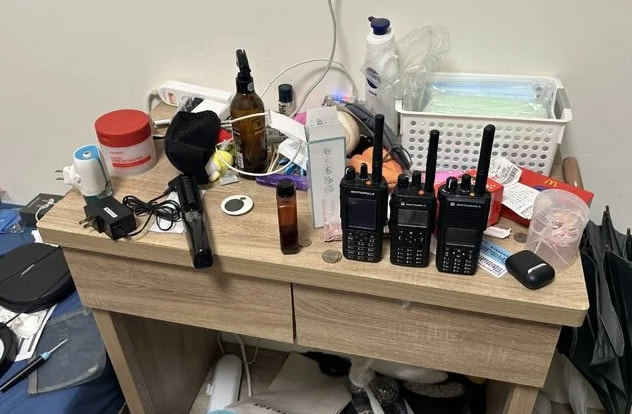
The incident has drawn criticism from Taiwanese politicians, who have called for accountability from the responsible bodies. Following the disruption, **THSR** examined its logs and identified the unauthorized signal origin. The police were alerted, leading to a search of the suspect's residence, where they seized 11 handheld radios, an **SDR**, and a laptop.
Lin was arrested on April 28th and is now facing charges under Article 184 of the Criminal Law, which carries a potential sentence of up to 10 years in prison. He is currently out on bail. His lawyer claims the transmission of the emergency signal was accidental, a claim authorities are skeptical of.