US Bans Foreign-Made Bulk-Power Systems Amid Escalating Cyber Threats to Critical Infrastructure
The US government has issued an executive order prohibiting the acquisition of foreign-made technology for managing electricity and power grids. This move comes in response to a growing number of cyberattacks targeting critical infrastructure, with concerns about digital backdoors and supply-chain vulnerabilities exploited by foreign actors.
# US Fortifies Grid Against Foreign Cyber Threats
In a decisive move to safeguard national critical infrastructure, the **Trump administration** has enacted an executive order banning the procurement of foreign-made technology used in bulk-power systems. The White House stated that the decision addresses the increasing exploitation of vulnerabilities in these systems by "certain foreign actors."
## A National Emergency Declared
The order specifically warns that equipment powering critical infrastructure could harbor digital backdoors, potentially allowing foreign governments remote access or causing significant supply-chain disruptions. President **Donald Trump** articulated the severity of the threat, stating, "During my first term, I found that the bulk-power system could be a target of those seeking to commit malicious acts against the United States, including malicious cyber activities, because of the significant risks that a successful attack would have on our economy, human health and safety, and national defense."
## Surging Attacks on Critical Infrastructure
This executive action follows a concerning series of cyberattacks on essential services. Recently, water utilities in at least 12 states experienced cyberattacks. The federal cyber defense agency, **CISA**, also reported observing "malicious cyber activity targeting over 100 internet-exposed systems" within the water and wastewater sector.
Internationally, a small British power plant was reportedly shut down for four days by hackers. Furthermore, the **National Security Agency (NSA)** and **FBI** recently issued an advisory highlighting an AI-powered "active threat" aimed at operational technology used across the energy, water, and agricultural industries.
While no specific nations were officially implicated in these recent incidents, experts have frequently pointed to Iranian hackers. US officials have previously attributed past attacks on critical infrastructure to Russian and Chinese state-sponsored actors. The **FBI** also recently disrupted a Chinese botnet alleged to have breached the **Federal Reserve**, **NASA**, and other federal agencies managing critical infrastructure.
## Defining the 'Unusual and Extraordinary Threat'
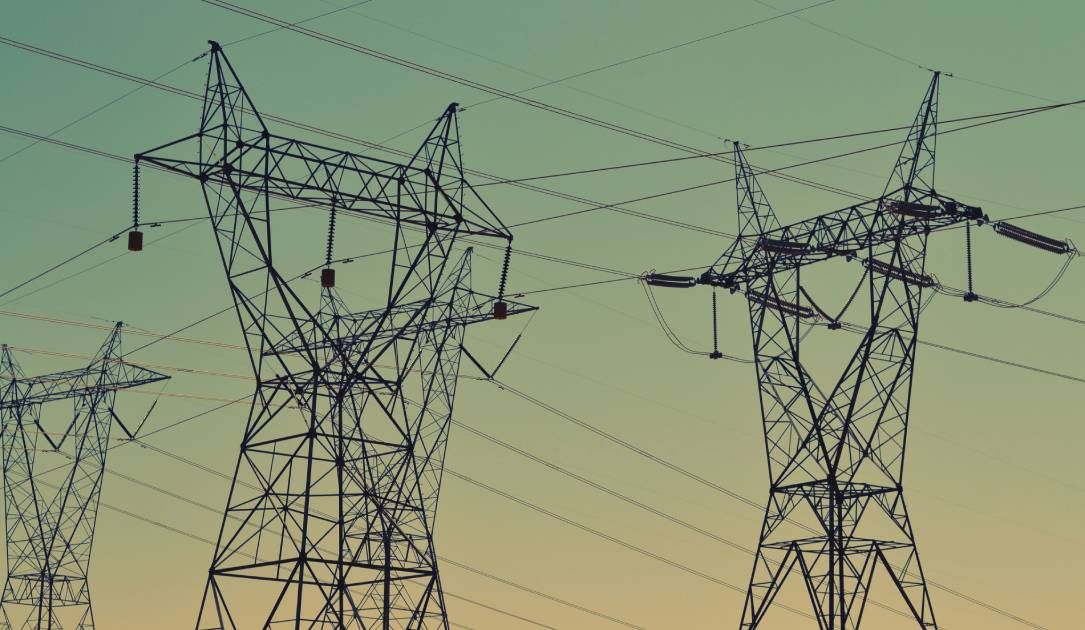
The executive order primarily targets technology managing energy transmission lines rated 69,000 volts or higher, along with associated substations, control rooms, power generating stations, and reactors. It also encompasses related software and firmware that could be remotely accessed or updated by foreign governments.
The order explicitly labels foreign-made bulk-power system electric equipment as an "unusual and extraordinary threat," thereby banning its acquisition or installation within the United States. The **Defense**, **Commerce**, and **Energy Departments** are now tasked with scrutinizing transactions involving such equipment.
Federal agencies also gain the authority to impose conditions on previously purchased equipment, with consideration for replacement availability. A list of pre-qualified equipment and vendors will be established. Senior officials have 120 days to formulate rules and regulations and identify countries that "warrant particular scrutiny." Agencies must also identify existing at-risk bulk-power system electric equipment and submit plans for its "identify, inventory, isolate, monitor, or replace[ment] as soon as practicable."
## The Looming Shadow of AI-Enabled Cyberattacks
The White House has not commented on the immediate catalyst for this executive order. However, cybersecurity experts and government bodies have consistently warned about the deployment of artificial intelligence by state-backed hackers to simplify and amplify devastating attacks on critical infrastructure.
Following the order's publication, a collective of tech and finance giants, including **OpenAI** and **Google**, issued a joint warning. They emphasized a "limited window to strengthen cyber defenses" before AI-enabled cyberattacks become "far more widespread and sophisticated." **OpenAI** specifically highlighted the vulnerability of "hospitals to water treatment plants to the infrastructure that powers the internet," noting that security teams for critical infrastructure have been "historically under-resourced." The company stressed the need for coordinated cyber defense at local, national, and international levels, alongside actionable threat intelligence sharing.