USPS Covertly Monitored Protests Across Political Spectrum, Records Reveal
Recently disclosed government records reveal that the **U.S. Postal Service (USPS)** utilized its Internet Covert Operations Program (**iCOP**) to surveil and report on a wide array of protests, from conservative rallies to Black Lives Matter demonstrations. This program, brought to light by a lawsuit from the **Electronic Frontier Foundation (EFF)** and other requesters, raises significant concerns about government overreach and potential chilling effects on First Amendment rights.
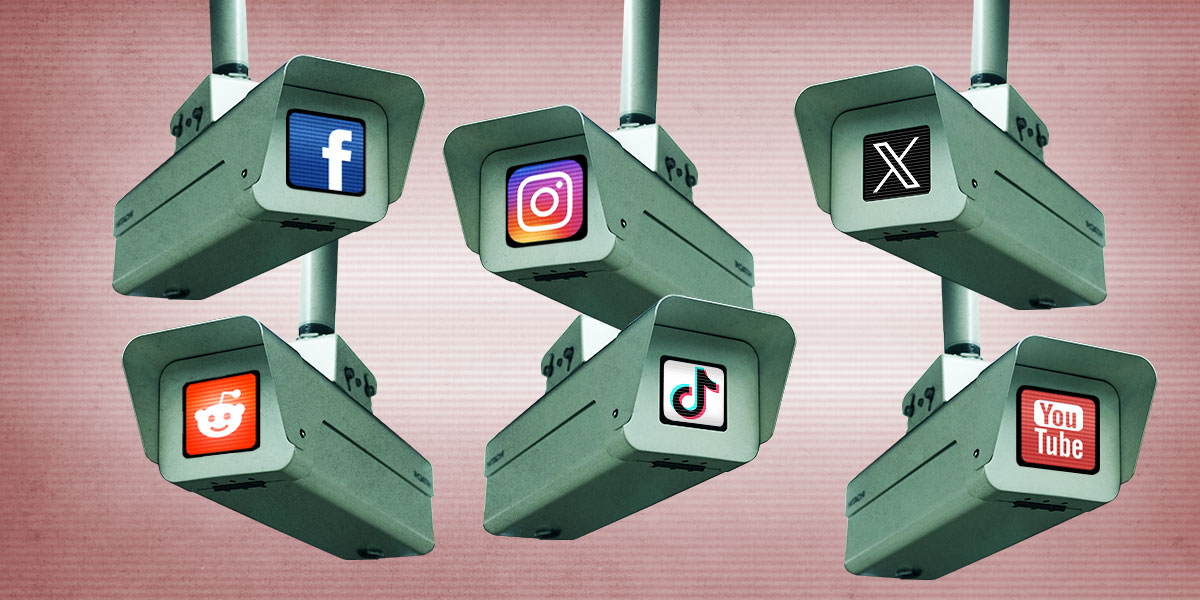
# USPS Covertly Monitored Protests Across Political Spectrum, Records Reveal
Recent disclosures have cast a spotlight on the **U.S. Postal Service's (USPS)** controversial **Internet Covert Operations Program (iCOP)**, revealing that the agency engaged in widespread social media surveillance of protests across the political spectrum. These revelations emerged from government records provided to the **Electronic Frontier Foundation (EFF)** and other parties involved in a Freedom of Information Act (**FOIA**) lawsuit against the postal service.
## iCOP's Scope: Surveilling First Amendment Activities
The disclosed documents, which include a series of bulletins generated by **iCOP**, demonstrate that the **USPS** actively monitored and disseminated information about various planned protests in 2020 and 2021. This surveillance extended to events such as a "**Million MAGA March**," a guns rights advocacy event in Virginia, a nationwide "**Save the Post Office Saturday**" protest, and demonstrations outside then-Postmaster General **Louis DeJoy's** home.
Many of these bulletins offered factual descriptions of planned events, often referencing public discussions on major social media platforms. However, some reports hinted at or anticipated potential violence, even when acknowledging a lack of specific intelligence. For instance, a bulletin discussing planned national and international protests on March 20, 2021, mentioned "online inflammatory material" but conceded that the agency had "no intelligence to suggest specific threats."
Another bulletin, titled "**National Civil Unrest Update**," focused on ongoing Black Lives Matter protests. The **USPS** also disclosed heavily redacted email chains illustrating how **iCOP** was queried and its findings disseminated internally.
## Renaming and Record Loss: A Troubling Narrative
Following a **Yahoo News** exposé in 2021 that first disclosed **iCOP's** existence, the **USPS** reportedly renamed the program and publicly stated it had ceased issuing bulletins. However, the recently released documents do not explicitly confirm that social media surveillance itself was halted.
Adding to the controversy, the **USPS** experienced a significant loss of records pertaining to **iCOP**. Agency officials stated that an external hard drive containing email communications about the program was dropped and rendered inoperable. Crucially, the underlying email messages had already been deleted in accordance with the agency's retention schedule, hindering attempts by **EFF** and other requesters to gain full transparency into **iCOP's** operations and internal guidelines.
## Minimal Oversight and Chilling Effects
**EFF's** **FOIA** request specifically sought internal rules, guidance, and training materials designed to safeguard First Amendment rights within the **iCOP** program. The agency's response yielded very few documents in this regard.
Among the limited disclosures were a series of slides providing an overview of the program but lacking details on its operational use. The closest approximation to internal guidelines came in the form of talking points authored by the Chief Postal Inspector. These talking points asserted that the **USPS** did not target any particular group based on protected characteristics or the exercise of First Amendment freedoms, and characterized the surveillance as providing "situational awareness."
However, **EFF** argues that these claims ring hollow. The disclosed records clearly demonstrate that surveilling and reporting on social media users' efforts to organize protests was a core function of **iCOP**. More fundamentally, the act of government surveillance itself can have a direct chilling effect on First Amendment rights, potentially deterring individuals from exercising their constitutional freedoms for fear of government scrutiny or retaliation.
While **EFF's** lawsuit seeking records about **iCOP** has concluded, the organization has affirmed its commitment to bringing greater transparency to government social media surveillance and challenging practices that infringe upon civil liberties.