Watch Dogs 2's Prophetic Vision: How Gaming Predicted Real-World Cyber Threats
Released in 2016, Ubisoft's 'Watch Dogs 2' immersed players in a world grappling with surveillance tech and discriminatory AI. Years later, cybersecurity professionals and privacy advocates find the game's scenarios eerily mirrored in real-world challenges, from insecure cameras to sophisticated cell-site simulators. This article explores how the game's fictional threats became today's pressing digital rights issues.

# Watch Dogs 2's Prophetic Vision: How Gaming Predicted Real-World Cyber Threats
When **Ubisoft**'s *Watch Dogs 2* launched in 2016, it offered a captivating, albeit unsettling, reflection of digital rights struggles. The game, which follows the hacktivist collective **Dedsec** as they combat surveillance technology and discriminatory AI, felt remarkably prescient to those working in the field.
For many, the missions within *Watch Dogs 2* resonated deeply with the issues covered by organizations like the **Electronic Frontier Foundation (EFF)**. The game's narrative, centered on fighting tech-authoritarianism, mirrored the daily battles of digital civil liberties advocates.
## A Decade of Digital Parallels
To commemorate the game's upcoming 10th anniversary, a panel at **San Diego Comic-Con** will reflect on *Watch Dogs 2*'s uncanny predictions of contemporary tech issues. Featuring voice actors, producers, and the game's music producer, the discussion will explore how fiction became reality.
For those unable to attend, here's a closer look at how *Watch Dogs 2* mirrored and foresaw real-world challenges.
## Insecure Surveillance Cameras: From Gameplay to Real-World Vulnerabilities
One of the core gameplay mechanics in *Watch Dogs 2* involves hacking into security cameras to gain strategic advantages. This fictional ability has a stark real-world counterpart.
Years before the game's release, **EFF** technologists **Cooper Quintin** and others utilized services like **Shodan** to identify numerous automated license plate readers (**ALPRs**) left unprotected online by Louisiana police. These systems, much like in the game, allowed unauthorized access to live video feeds and controls.
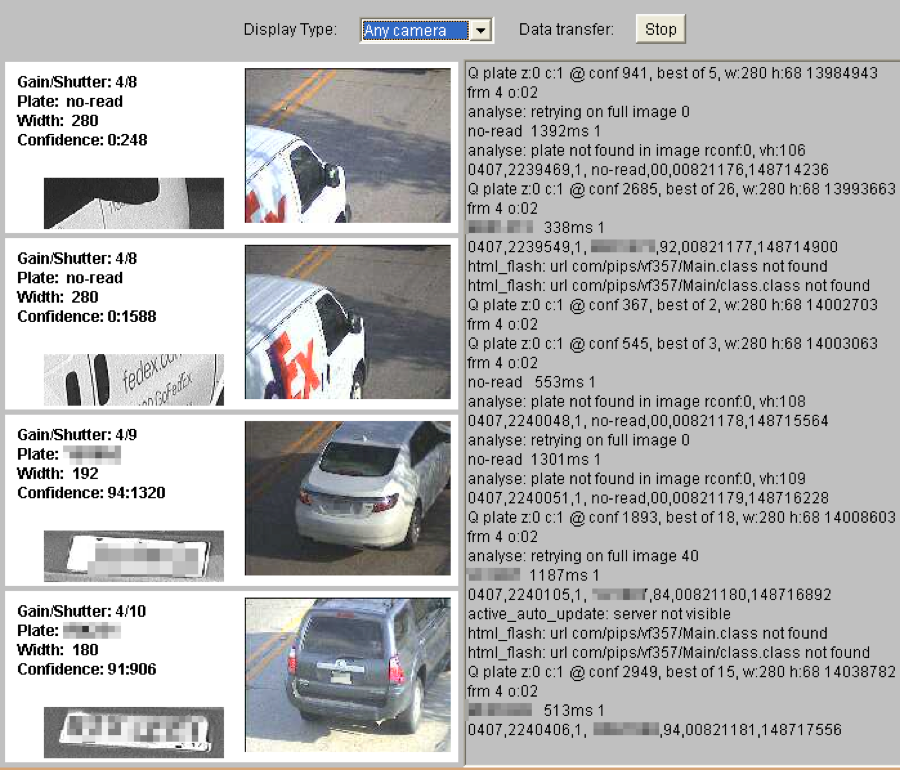
Instead of exploiting these vulnerabilities for personal gain, the **EFF** compelled police agencies to secure their equipment. This initiative ultimately contributed to then-Governor **Bobby Jindal** vetoing a bill that would have established a new statewide surveillance dragnet.
This issue persists today. Recently, security researchers **Benn Jordan** and **Jon “GainSec” Gaines**, alongside journalists at **404 Media**, revealed that at least 60 pan-tilt-zoom cameras from vendor **Flock Safety** were similarly exposed online.
## Cell-Site Simulators: Real-Life "Stingrays"
*Watch Dogs 2* features a mission, "Stolen Signals," where **Marcus** and **Wrench** track down police devices known as "stingrays" – essentially cell-site simulators (**CSSs**). These devices masquerade as legitimate cellular towers to collect nearby cell-phone data, a significant mass surveillance concern.
**EFF** has long advocated for these technologies to require a search warrant. In a move echoing **Dedsec**, the organization launched its own project, "Crocodile Hunter," to detect suspicious cell phone towers. While testing the device during **Salesforce**'s annual **Dreamforce** conference in San Francisco, researchers uncovered a mobile surveillance tower deployed by a startup for the event.
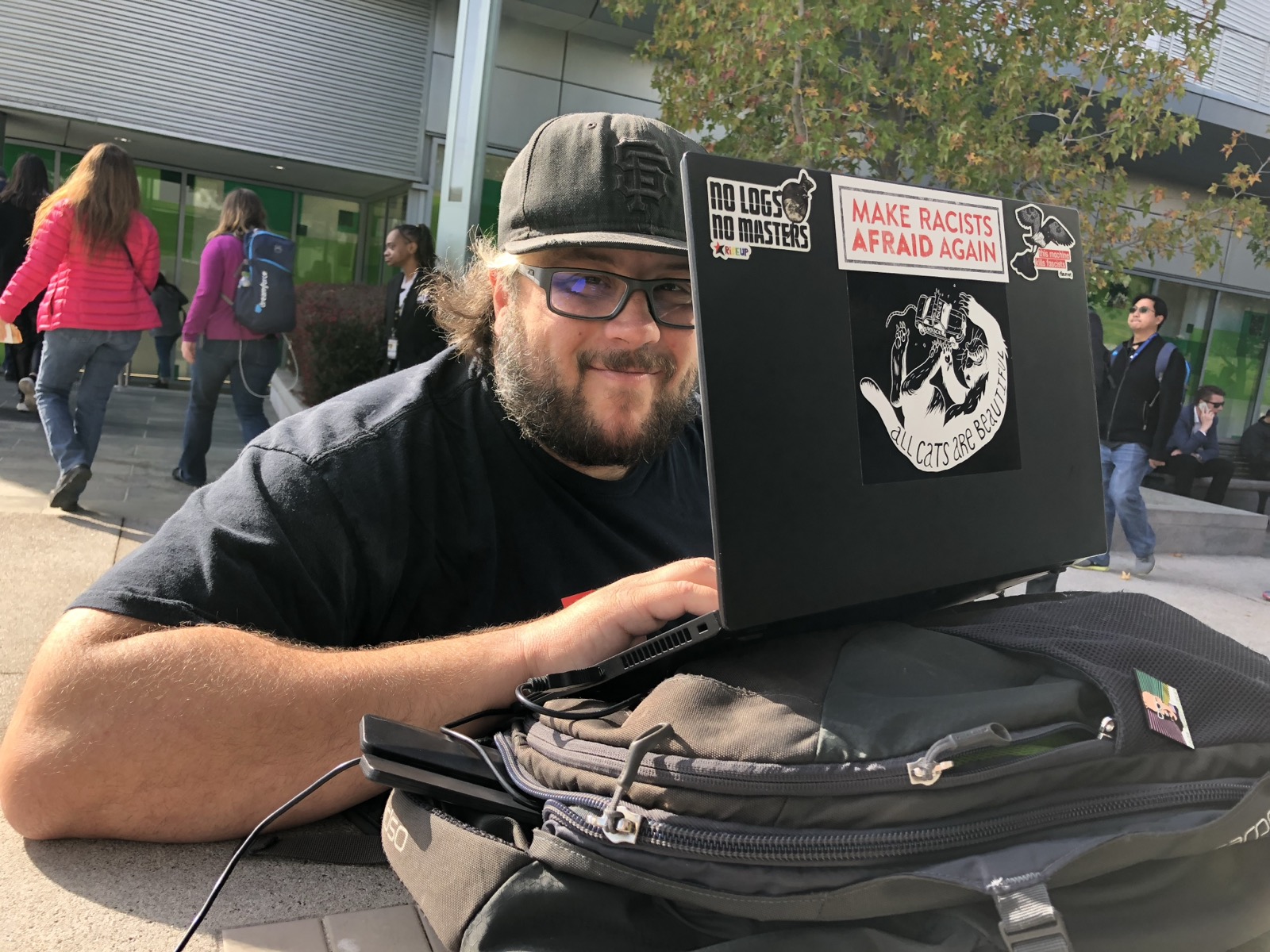
This project has since evolved into **Rayhunter**, an open-source tool that enables individuals to use cheap mobile hotspots to detect cellular anomalies associated with **CSSs**. An international network of researchers now utilizes **Rayhunter** to identify surveillance efforts at protests, borders, and in metropolitan areas.
## Security Robots: From Fictional Foes to Real-World Concerns
Throughout *Watch Dogs 2*, **Marcus** encounters autonomous security robots patrolling the city, one of which **Wrench** reprograms into "Wrench Jr." In the real world, these robots are manufactured by companies like **Knightscope**.
**EFF** began scrutinizing these robots in 2020-2021 as they were increasingly deployed by companies and government agencies.
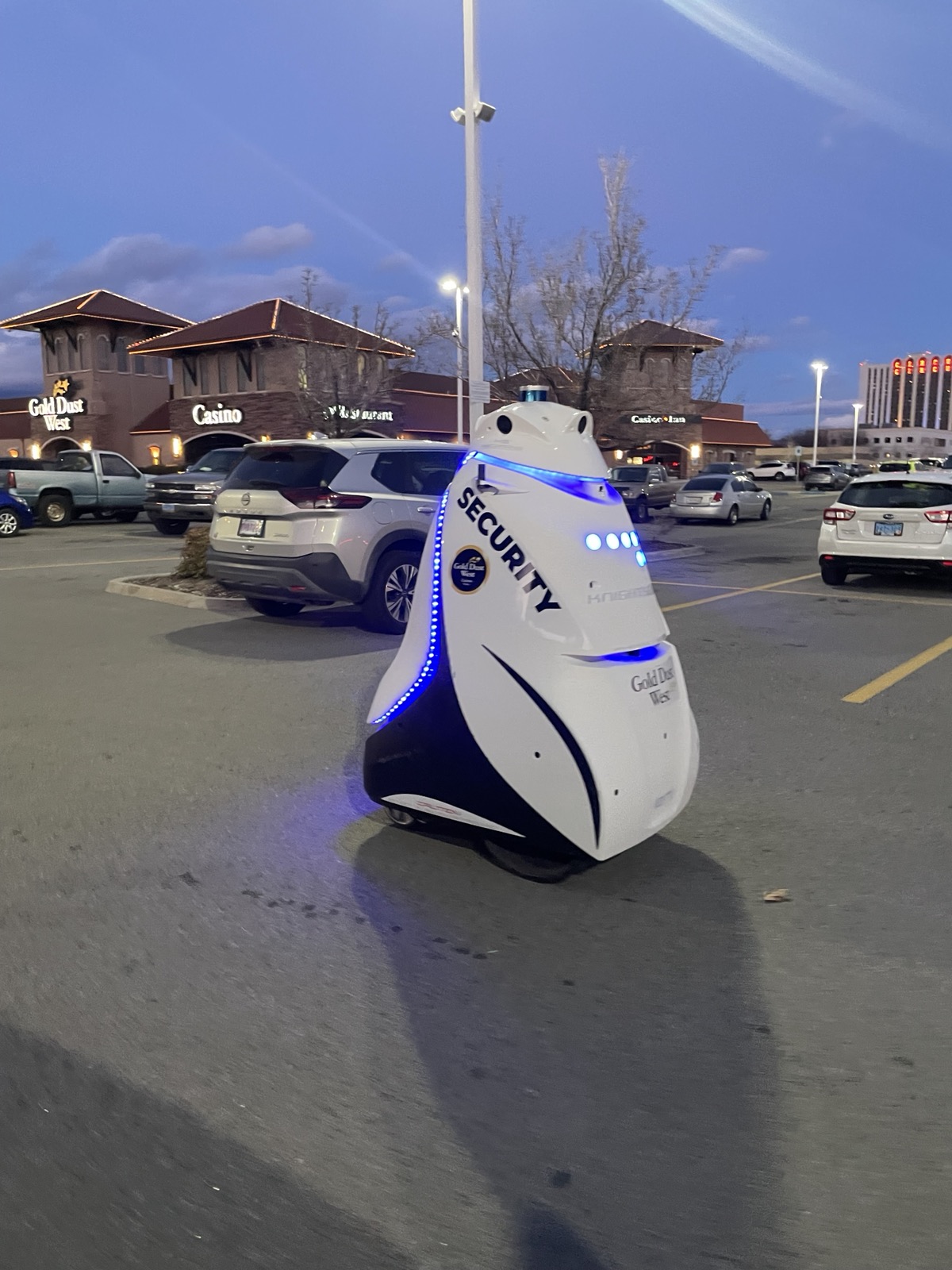
The concern has escalated as law enforcement agencies explore weaponized robots and drones. **EFF** has been at the forefront of preventing this dystopian reality, successfully advocating for San Francisco to ban the police department from weaponizing drones in December 2022. The **New York Police Department** has also faced similar debates regarding its use of robotic technology.