Australia Establishes Cyber Incident Review Board Modeled After US Initiative
Australia is launching a Cyber Incident Review Board to analyze significant cyberattacks targeting government and industry. This initiative, modeled after the U.S. Cyber Safety Review Board, aims to identify systemic vulnerabilities and improve national cyber resilience.
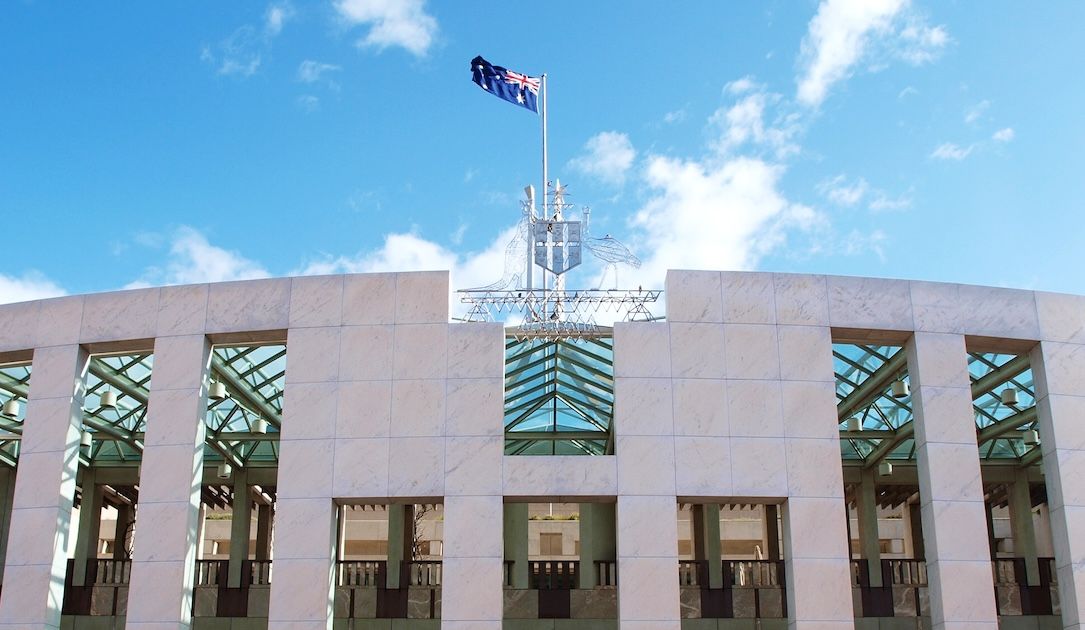
Australia has announced the creation of a Cyber Incident Review Board to conduct independent post-incident reviews of major cyberattacks. This initiative mirrors similar programs in other jurisdictions, focusing on systemic lessons learned rather than assigning blame.
### Board Composition and Objectives
The board, announced by Australian Home Affairs and Cybersecurity Minister **Tony Burke**, will consist of seven members, a majority of whom are women—a notable shift in a male-dominated field. **Narelle Devine**, Global Chief Information Security Officer at **Telstra**, will chair the board. Other members are from **Boeing Australia**, **NBN Co**, the **University of New South Wales**, law firm **Allens**, **Toll Group**, and **SA Power Networks**.
Burke stated, "We know that cyber attacks are constant. This guarantees we learn from every attack and keep increasing our resilience."
### Background and Motivation
The formation of the board follows a series of high-profile cyberattacks in Australia, including incidents affecting **Medibank** and **Optus**. These breaches underscored the need for stronger national cyber defenses.
### Model and Differences from the U.S. Cyber Safety Review Board
The Australian board is modeled on the Cyber Safety Review Board established by the Biden administration in 2022. However, the Australian board has a narrower membership primarily drawn from critical infrastructure industries.
The U.S. board, before being disbanded by the Trump administration, produced three reports. One notable report criticized **Microsoft** for security lapses that allowed Chinese state-linked hackers to access email accounts of senior U.S. government officials. Following the report, **Microsoft** CEO **Satya Nadella** emphasized prioritizing security across the company.
The U.S. board also reviewed the **Log4j vulnerability** and the **Lapsus$ hacker group**, although these reviews had less impact according to some analysts.
A key difference is that the Australian board has the power to compel information from entities, unlike its U.S. counterpart, which relied on voluntary cooperation.
html
<a href="https://www.recordedfuture.com/?utm_source=therecord&utm_medium=ad"><figure><img src="https://cms.therecord.media/uploads/2025_0514_Record_Ads_970x250_1_d144dbf901.png" data-nimg="1" decoding="async" height="500" width="1000" alt="Recorded Future"></figure></a>